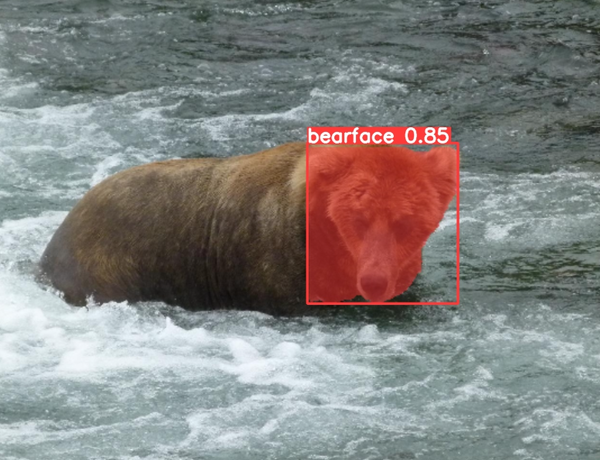
A guide to designing a bear face segmentation system
Detecting bears in real time using low-power technology.


 Animal reID
Animal reID is a modular framework that enables precise identification of individual animals using computer vision. Built on years of conservation technology research, our approach adapts to different species by employing the most appropriate identification technique—whether that’s facial recognition, spot pattern matching, or local feature analysis.
From monitoring bear populations in British Columbia to tracking individual trout in river systems, and extending to snow leopards in Central Asia and seals in coastal waters, Animal reID provides researchers with powerful, non-invasive tools for wildlife monitoring and conservation.


Animal reID technology enables researchers to:
Experience Animal reID in action with our live demonstrations. These systems are currently monitoring real wildlife populations.
Experience Animal reID systems in action through our interactive demonstration spaces. Each space provides hands-on access to production-grade identification models.
A computer vision system utilizes facial recognition technology to analyze bear photographs and identify individual bears. This innovative system aims to monitor the population size of bears in British Columbia over time, ultimately supporting and enhancing conservation efforts in the region.
A computer vision system analyzes the spot patterns of trout to identify individual fish. This innovative, non-invasive approach aims to monitor trout populations in British Columbia over time, ultimately supporting and enhancing conservation efforts in the region.
Non-invasive seal re-identification using computer vision to track individual animals across seasons through unique whisker patterns and facial features in the Wadden Sea.
Computer vision system for identifying individual snow leopards using feature matching and machine learning, supporting conservation efforts in Central Asia.
Used successfully for bear identification, this approach combines instance segmentation to isolate animal faces with deep metric learning to create unique embeddings for each individual. The system learns to recognize subtle facial features and marking patterns that distinguish one animal from another.
Key advantages:
Applications: Bears, primates, big cats, and other species with distinctive facial characteristics
Pioneered in our trout identification work, this technique uses advanced local feature matching (LightGLUE) to analyze unique spot patterns on fish bodies. The system standardizes fish orientations and matches keypoint patterns against a reference database.
Key advantages:
Applications: Trout, leopards, cheetahs, whale sharks, and other spot-patterned species
Each implementation is open-source with detailed documentation:
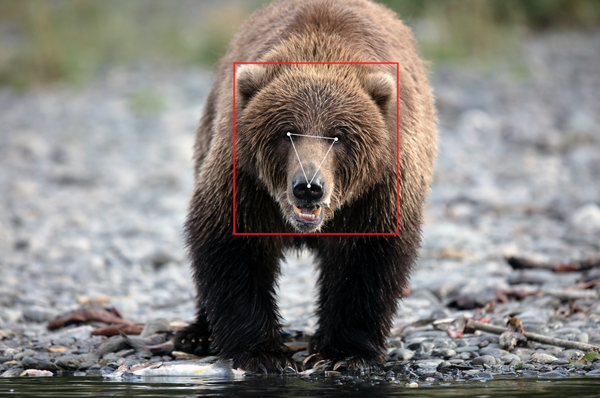
Noninvasive technologies to identify and monitor bears, facilitating their conservation.
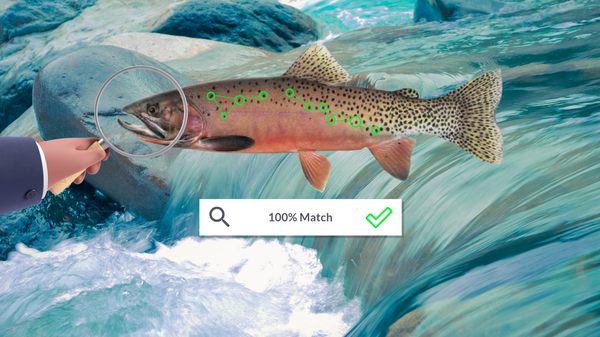
Non-invasive technology for monitoring trout populations using computer vision to accurately identify individual fish.
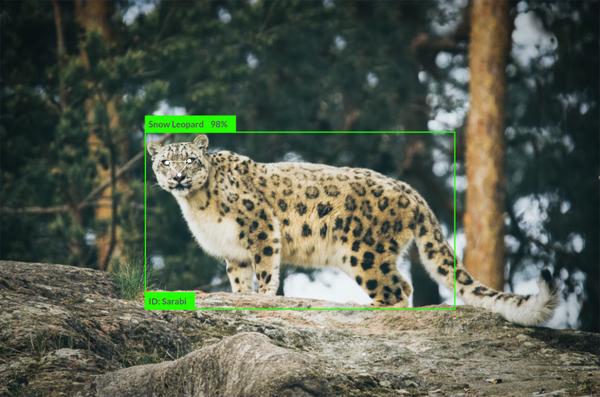
Non-invasive snow leopard monitoring using computer vision analysis of camera trap photos to identify individual animals.
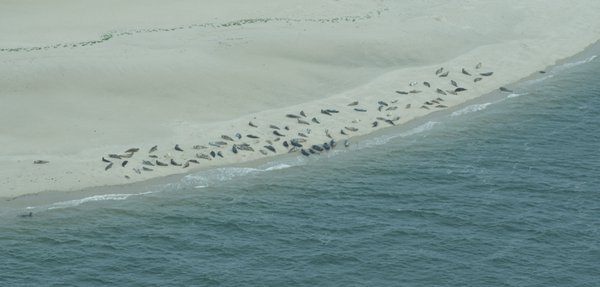
Automated seal population monitoring using AI to count, classify, and identify individual seals from aerial imagery in the Wadden Sea.
In-depth technical guides covering the design and implementation of animal identification systems:
Detecting bears in real time using low-power technology.
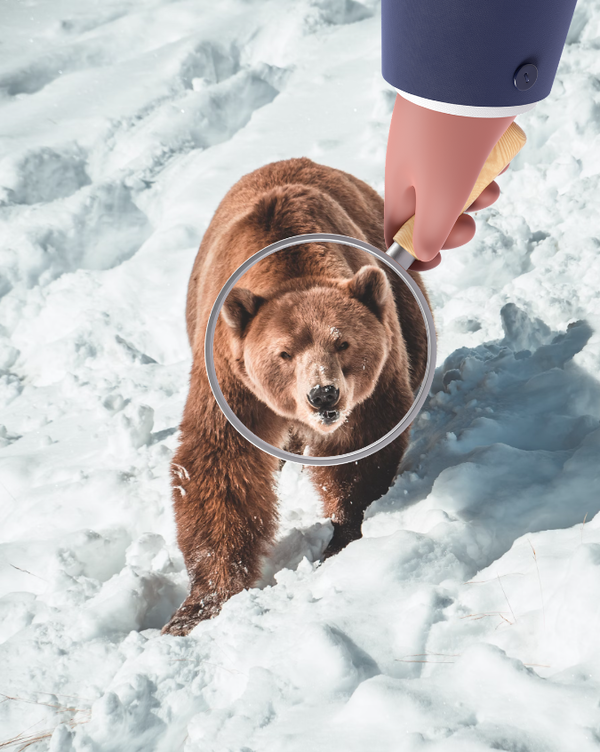
Identify bears with Metric Learning.
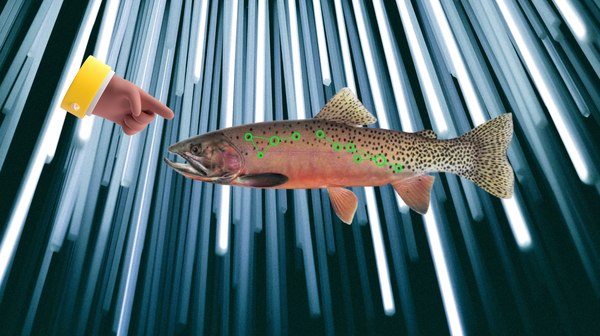
An in-depth look at the common preprocessing stages required to perform identification using computer vision.
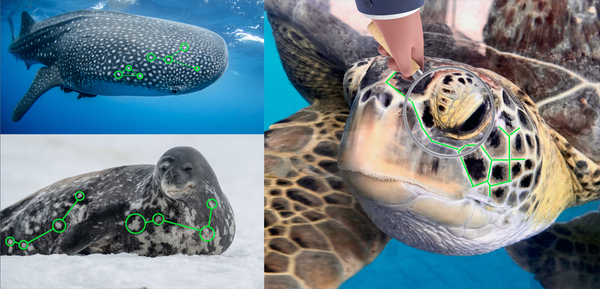
A comprehensive examination of using local feature matching for individual identification.
Interested in applying Animal reID to your conservation project? We offer consultation on selecting the right identification approach, custom development for new species, and collaborative research opportunities.