Bear Identification
Noninvasive technologies to identify and monitor bears, facilitating their conservation.
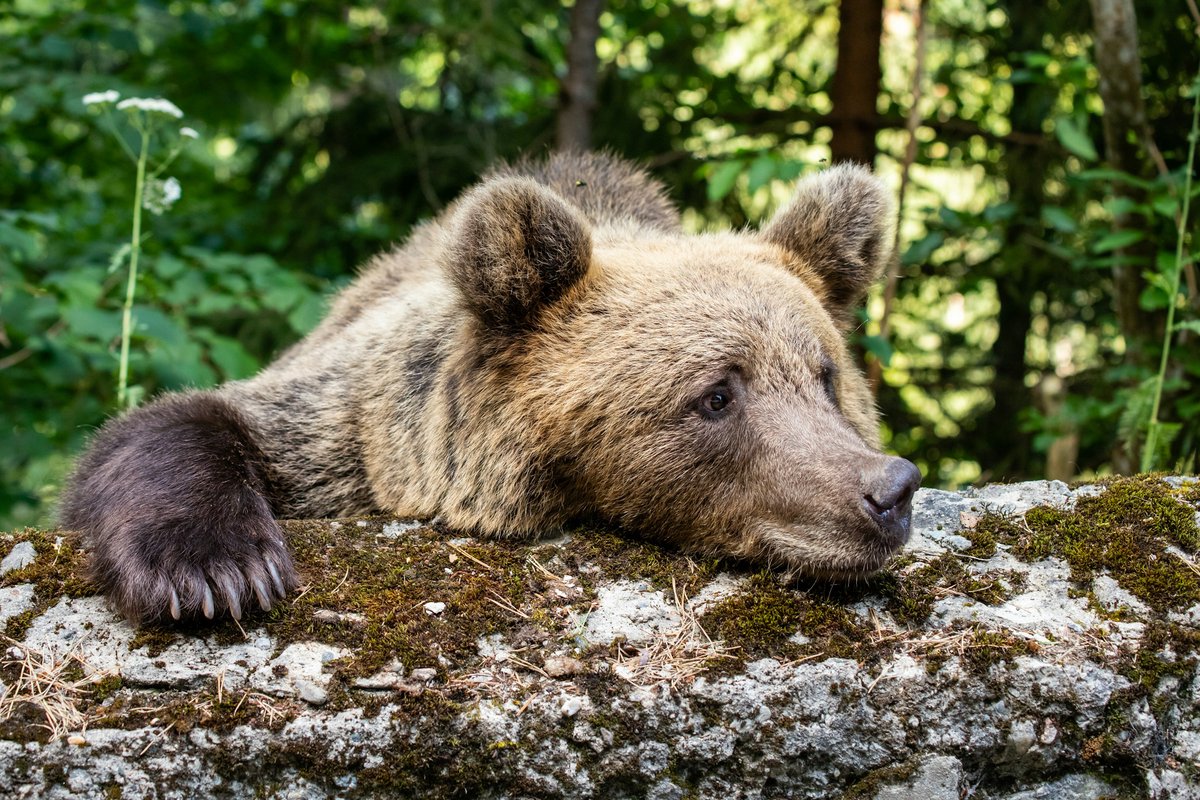
Brown bears are native to Eurasia and North America and live mainly in forests, from lowlands up to 5,000 m.2 Around 200,000 remain, with the largest populations in Russia, the United States and Canada.2 The species is listed as Least Concern worldwide,1 but it has disappeared from parts of its range and declined sharply in others.2
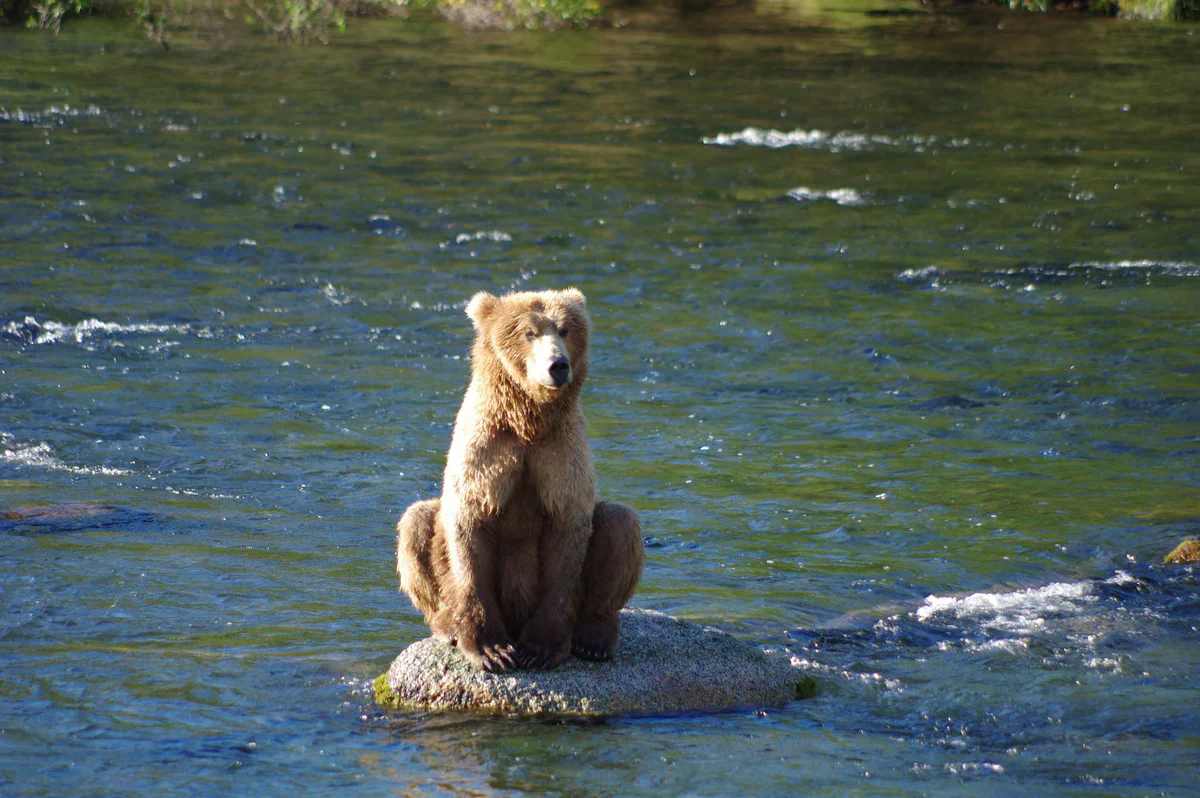
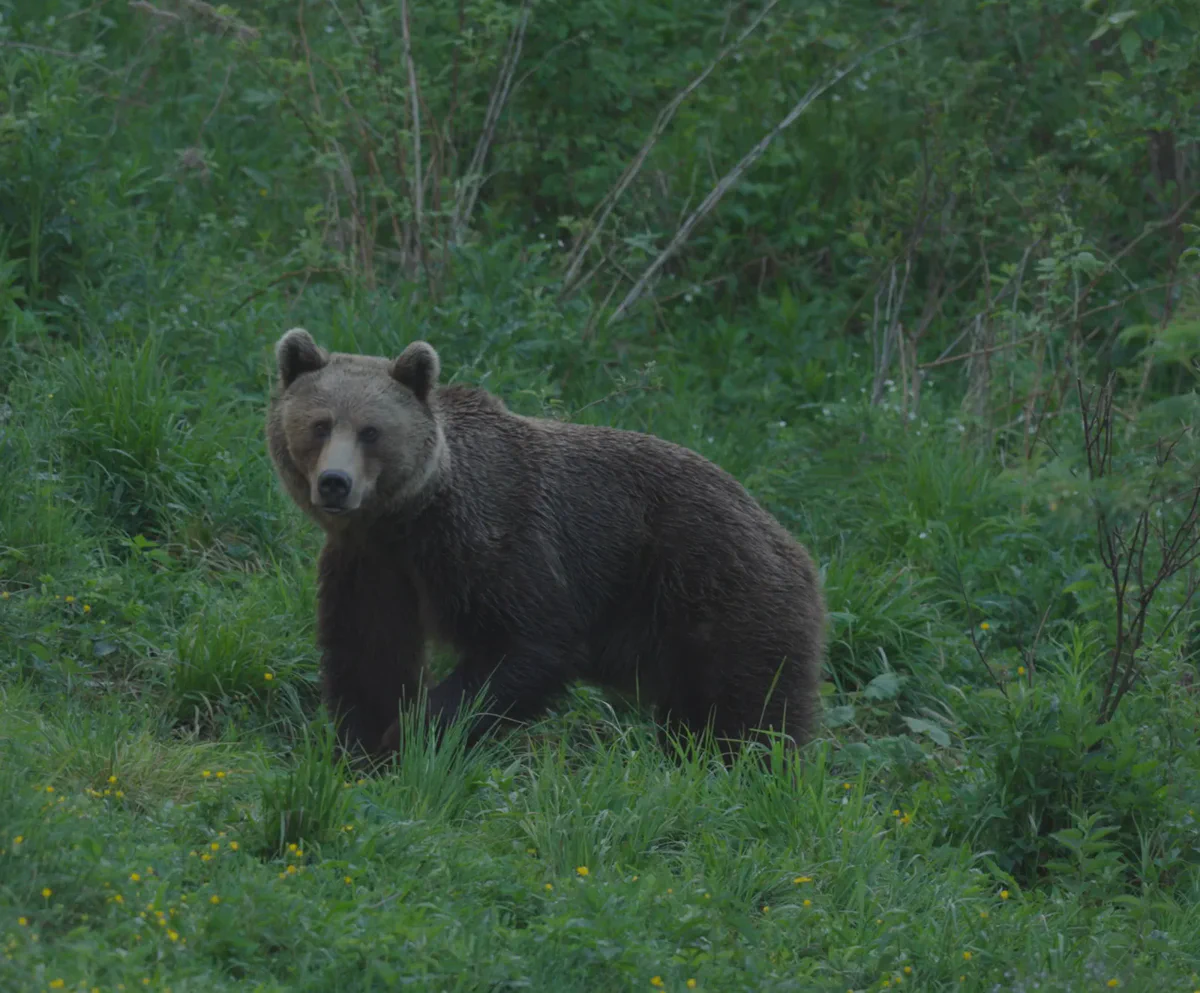
Where salmon run, bears are part of how the ocean feeds the forest. They carry fish away from the water and leave the rest to foxes, eagles, ravens and gulls, and the nitrogen in those remains reaches the trees: up to 24% of the nitrogen in riverside woodland has been traced to salmon.3
In Europe, the Carpathians hold the largest populations of brown bears, wolves and lynx, with the highest concentration in Romania.4 Bears and people there share the same valleys, and encounters around villages and farms are where conflict, for both, begins.
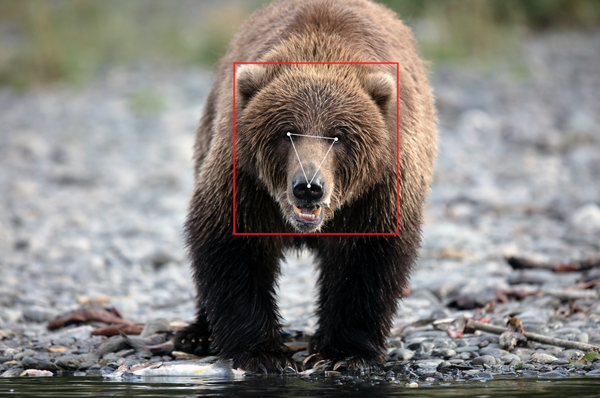
In British Columbia, our bear identification work recognises individual bears from their faces in camera-trap photos. In the Carpathians, our bear deterrence project spots bears at the edge of Romanian farms and scares them off, harmlessly, before conflict starts.
Noninvasive technologies to identify and monitor bears, facilitating their conservation.
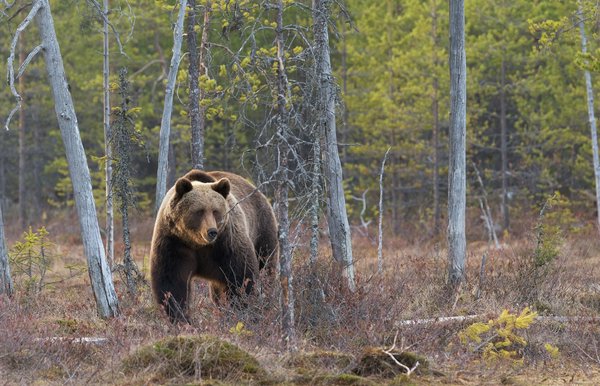
Utilizing low-power technology to detect and deter bears from encroaching on Romanian farms.
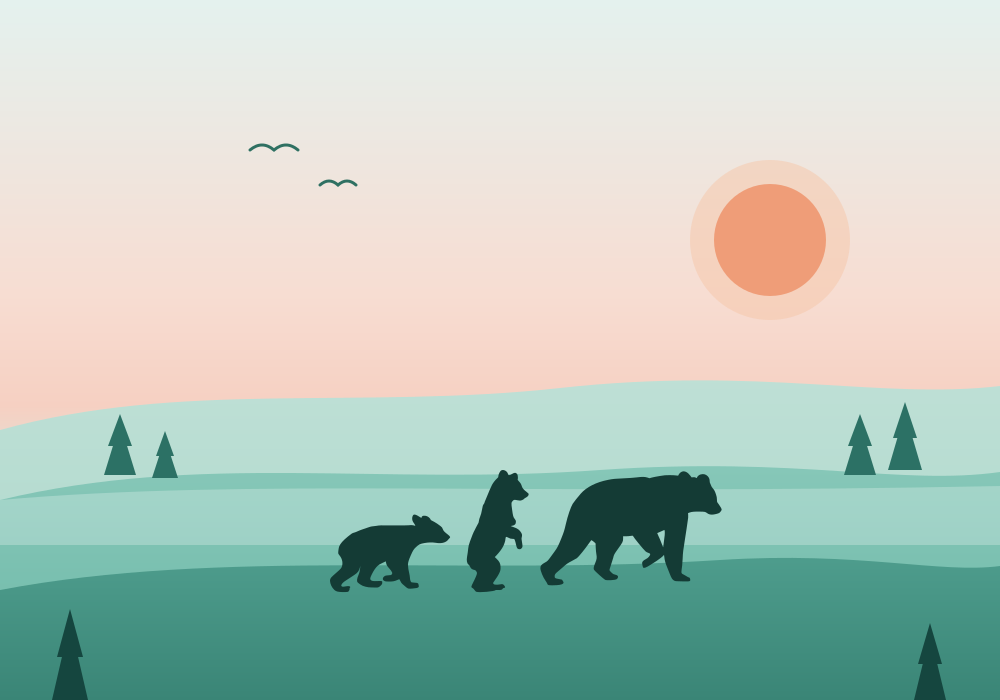
Facial recognition that tells individual bears apart from photos, tracking British Columbia's black bear population over time.
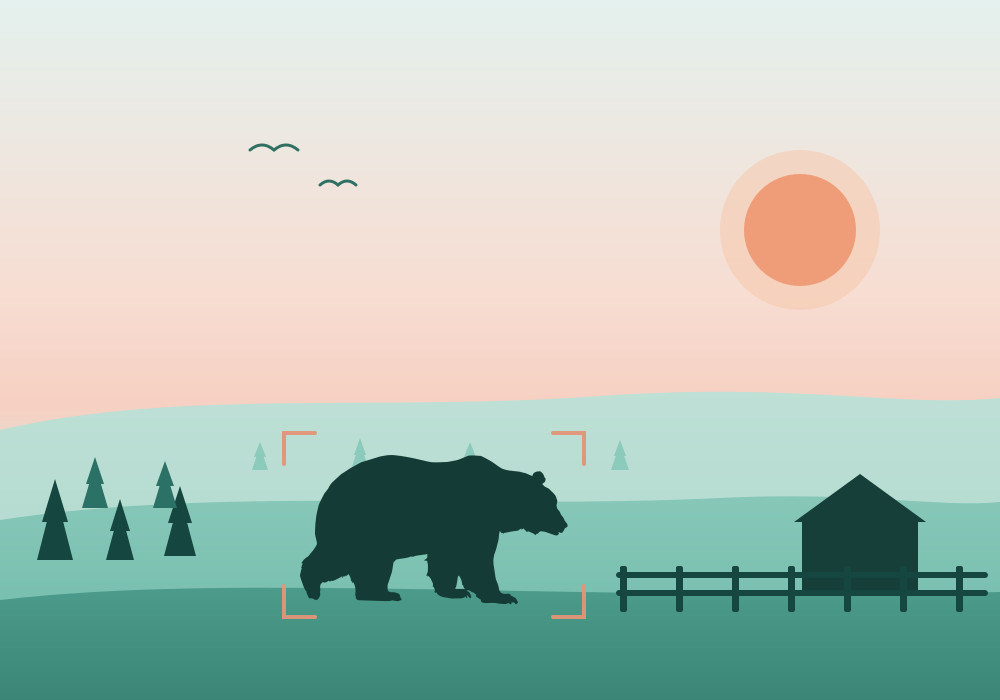
Detecting and deterring bears near Romanian farms so people and predators can coexist.

A modular computer vision framework for individual animal identification using state-of-the-art techniques including metric learning, local feature matching, and spot pattern analysis across multiple species.
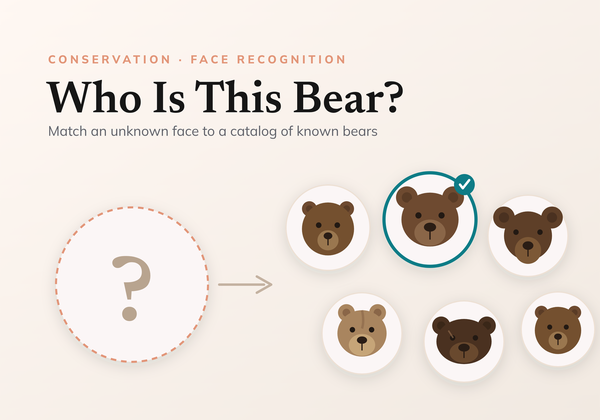
Identify bears with Metric Learning.
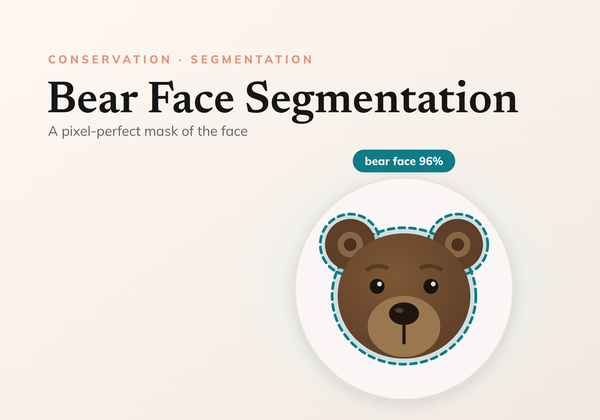
Detecting bears in real time using low-power technology.
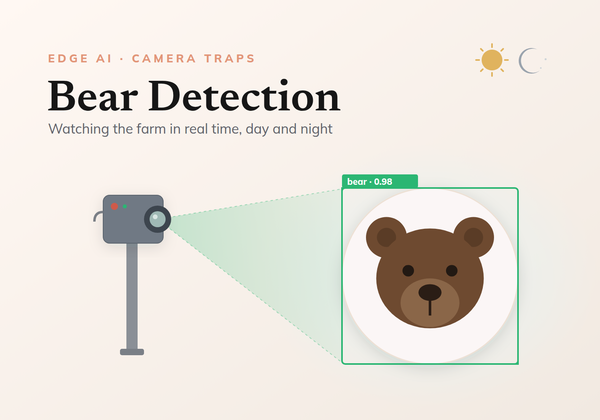
Detecting bears in real time using low-power technology.
Every project here was built hand in hand with conservation partners, and much of the code is open source. If our work fits a challenge you're facing, or you'd like to build something together, we'd love to hear from you.