
In this blog, we will share our experiences volunteering at various wildlife rescue centers.
Introduction
A wildlife rescue center primarily focuses on the rehabilitation of injured, sick, or orphaned animals. The goal is to treat these animals and eventually release them back into their natural habitats.
Rescue centers typically provide medical care, rehabilitation, and temporary housing for animals. They often engage in rescue operations and collaborate closely with local authorities to respond to wildlife emergencies.
These centers usually work in conjunction with wildlife sanctuaries, which serve as permanent safe havens for animals that cannot be released back into the wild due to injuries, habituation to humans, or other reasons.
Sanctuaries prioritize the well-being of the animals and often educate the public about wildlife conservation. They may also participate in breeding programs for endangered species and offer tours or educational programs to raise awareness.
Wildlife Friend Foundation Thailand - WFFT

WFFT is a non-governmental organization (NGO) in Thailand, founded in 2001. The foundation undertakes various projects, including animal rescue, rehabilitation, and veterinary assistance for wild animals in Thailand. It promotes wildlife protection through educational initiatives aimed at both local Thai communities and tourists. Many of the rescued animals are either kept as illegal pets or found injured in the wild.
WFFT Volunteer Introduction Video
Spending a couple of weeks volunteering in animal care involves following a daily routine designed by wildlife experts and veterinarians. This schedule outlines everything from the type of food the animals should receive to their feeding times and enclosure cleaning. Working in the humid and hot weather from early morning can be physically exhausting. During our first week, we focused our efforts at the Elephant Refuge Sanctuary.
Elephant Refuge Sanctuary
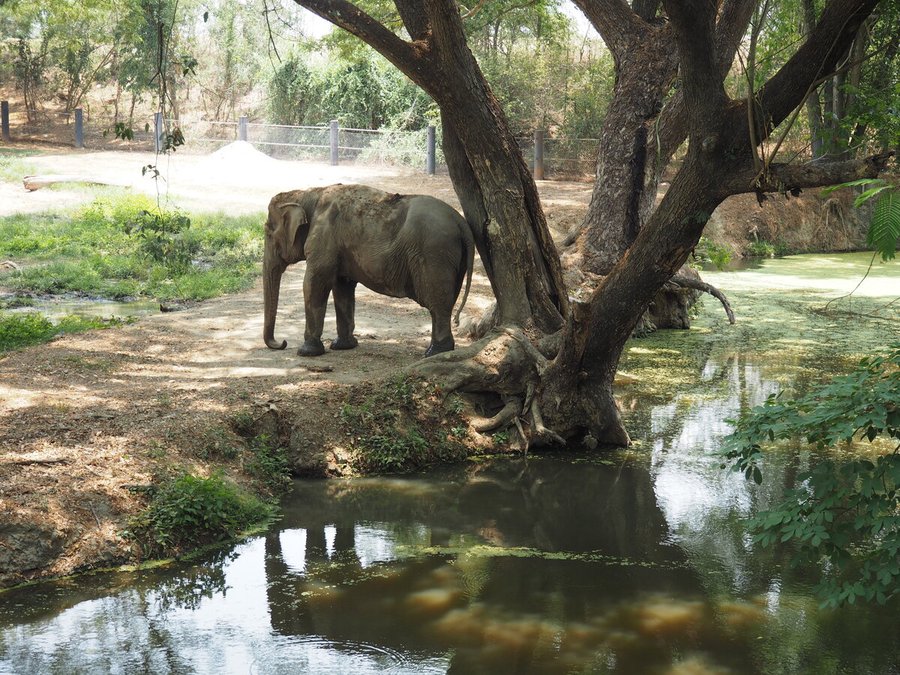
During the first part of the stay, we volunteered at the Elephant Refuge. Established in 2003, the ER project currently cares for over 20 Asian elephants, most of whom were rescued from trekking camps where they were harshly exploited for tourist entertainment. While these elephants cannot return to the wild, they benefit from the opportunity to roam in expansive forested enclosures. WFFT has acquired large tracts of land featuring forests and lakes, with the largest elephant enclosure spanning 20 hectares. The sanctuary takes pride in being Asia’s first chain-free facility, ensuring that no elephant is ever chained, day or night.


Elephant are given fresh food every day, two times a day. Volunteers hide the food inside tires or hang them in trees which forces the animals to forage for their food. This is more stimulating for them as they never get to find their food twice in the same spot.
Fruits and branches are prepared daily for them. To stock up for the upcoming weeks, volunteers often need to go and chop down some banana trees nearby.


🙅♂️ Never back ride an elephant
The training of elephants for riding and performances in Thailand often involves a process that can be quite harsh and traumatic for the animals. Initially, many elephants are captured from the wild, which can involve violent methods. Young elephants are frequently taken from their mothers, leading to significant distress and trauma. The first phase of training, often referred to as “breaking,” involves isolating the elephant and using physical punishment to instill obedience. This can include confinement in small spaces, deprivation of food, and the use of tools like bullhooks — sharp, pointed instruments used to inflict pain.
Once the elephant is subdued, trainers employ fear-based techniques to condition the animals to accept human commands. This conditioning often involves repeated exposure to stressful situations, loud noises, or physical punishment for disobedience. After the initial breaking process, trainers use repetitive commands and rewards, such as food, to reinforce desired behaviors. However, the initial trauma inflicted during training often leaves lasting psychological scars on the elephants.
Breaking the spirit of elephants is inhumane practice
The physiological and psychological trauma experienced by these animals is profound. The training process can lead to chronic stress and anxiety, with signs that may include repetitive behaviors, aggression, or withdrawal. Additionally, the use of bullhooks and other training tools can cause physical injuries, including wounds, infections, and long-term damage to the skin and muscles. Elephants are highly social animals, and the training process often involves isolating them from their herds, which can result in loneliness and depression, as they thrive on social interactions.
 Left: Elephant with a damaged back due to tourist riding - Right: Regular bumpy back of an elephant
Moreover, the training and subsequent life as a riding elephant can prevent them from engaging in natural behaviors, such as foraging, roaming, and socializing, which are essential for their well-being. The combination of physical punishment, isolation, and the unnatural environment can lead to severe psychological trauma. Elephants may develop symptoms similar to post-traumatic stress disorder (PTSD), including heightened fear responses and difficulty forming bonds with other elephants.
The exploitation of elephants for tourism, particularly through riding, raises significant ethical concerns. Many animal welfare organizations advocate for the cessation of such practices and promote alternatives that allow elephants to live in more natural and humane conditions. Efforts are being made to educate tourists about the realities of elephant training and to support sanctuaries that prioritize the well-being of these magnificent animals.
Learn more about the ugly truth about elephant back rides.
Wildlife Rescue Center
We also contributed our time to the Wildlife Rescue Center, which rescues a diverse array of animals. Established in 2001, the WRC currently cares for over 600 animals, relying on volunteer support for their well-being. Many of these animals have been rescued from dire conditions or abandoned after being unwanted pets. In Thailand, thousands of domesticated and wild animals are kept as pets or exploited in the tourism industry. The WRC provides shelter to a significant number of wild animals, some for a short duration, while others will remain there for the rest of their lives.


Depending on the species assigned, specific food portions tailored by veterinarians must be prepared.


After cleaning, sorting, cutting, and slicing the fruits and vegetables, volunteers are dispatched to various locations to distribute the food portions to the animals. Enclosure cleaning typically occurs afterward, just before the next round of feeding. Additionally, there is time allocated for enhancing the enclosures and tidying up the surrounding forested areas.
Overall, volunteering at WFFT has been a rewarding experience, providing valuable insights into the challenges of operating a wildlife rescue center. Animals are treated with care and respect, allowing them to spend part of their lives in a safe haven before being released back into the wild.
ARCAS

ARCAS is a non-profit civil association in Guatemala, founded in 1989 by a group of concerned citizens who witnessed the rapid decline of their precious natural heritage, particularly wildlife.
Since its inception, the ARCAS Rescue Center has evolved into one of the largest and most comprehensive rescue centers in the world, receiving between 300 and 600 animals from over 40 species each year.
Life at ARCAS Guatemala
Volunteering at the Wildlife Rescue Center is an incredible experience. Scarlet macaws and howler monkeys begin their day early, often waking volunteers around 6 a.m. as they require feeding.


The volunteer day begins with preparing food for assigned animals and cleaning their enclosures. It is essential to wear face masks at all times to prevent the transmission of diseases to the animals, which can be particularly exhausting in a hot and humid climate.
During our stay, a small team of veterinarians was implementing a release protocol for a group of spider monkeys that had been rewilded for approximately eight years to teach them essential survival skills. This marked the first time they were able to release such a large group, and the team monitored the well-being of the monkeys using GPS collars for several weeks. These release protocols are often refined over time through trial and error and could serve as a foundation for successfully reintroducing spider monkeys into the wild.
Each day, there is an opportunity to engage with veterinarians and gain insights into their work. We also heard deeply moving stories about some of the animals that arrived at ARCAS.
Conclusion
There are numerous ways you can support organizations like WFFT and ARCAS or other wildlife rescue centers. If you have the time, consider volunteering at one of these facilities. This experience will provide you with valuable insights into the challenges of rehabilitating wildlife and the complexities of reintroducing them into their natural habitats. Additionally, you will gain a deeper understanding of the illegal wildlife trade, which threatens many species with extinction. If volunteering isn’t an option, you can also make a meaningful impact by donating to these organizations, helping them continue their vital work in wildlife conservation.