


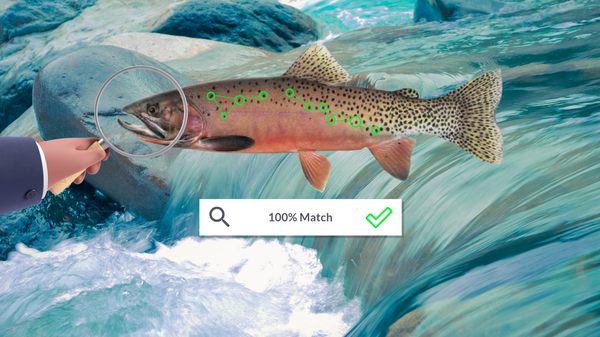
Trout Identification
Non-invasive technology for monitoring trout populations using computer vision to accurately identify individual fish.
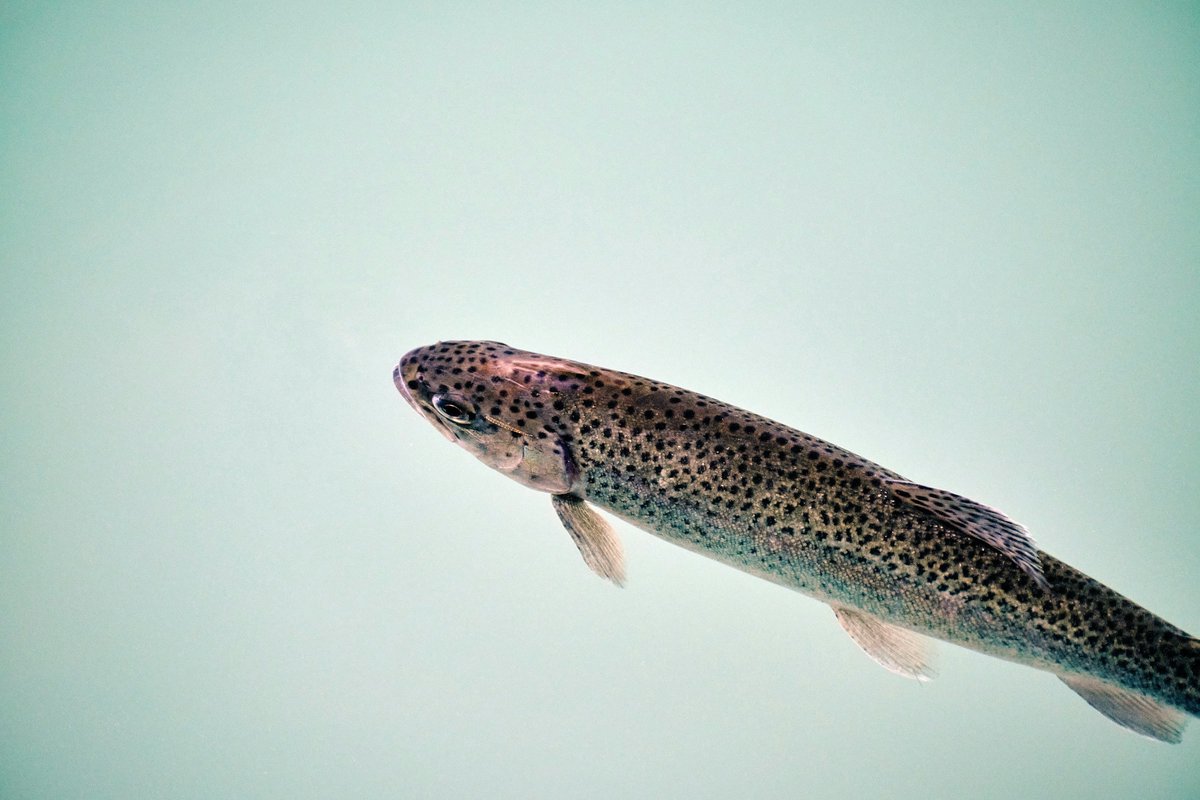
The westslope cutthroat trout lives in cold, clean headwater lakes and streams of the upper Missouri and Columbia basins, in British Columbia, Alberta, Montana and Idaho.1 It takes its name from the red, pink or orange mark beneath the jaw, which also tells it apart from rainbow trout.1
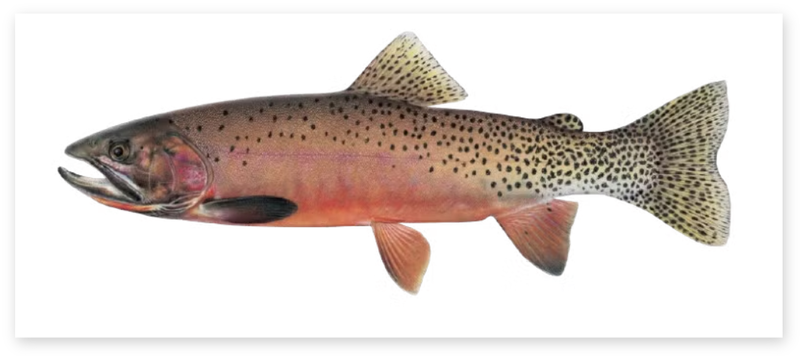
Genetically pure westslope cutthroat trout now survive in less than 3% of their historic range.1 Introduced rainbow trout interbreed with them, logging and dams degrade their streams, and invasive lake trout and kokanee compete for food.1 The species is considered threatened in its native range in Alberta.1
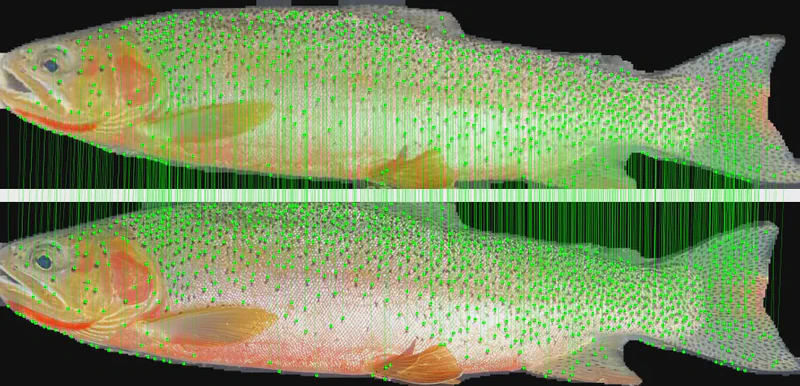
Every cutthroat carries its own pattern of black spots. In the Elk River, British Columbia, our trout identification work matches those patterns between photos, so biologists can recognise a fish they have met before without tagging it.
Non-invasive technology for monitoring trout populations using computer vision to accurately identify individual fish.

Reading the spot patterns on trout to identify individual fish, a non-invasive way to monitor populations.

A modular computer vision framework for individual animal identification using state-of-the-art techniques including metric learning, local feature matching, and spot pattern analysis across multiple species.
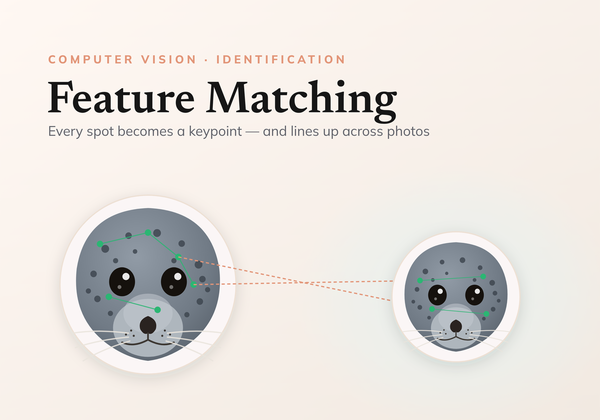
A comprehensive examination of using local feature matching for individual identification.
Every project here was built hand in hand with conservation partners, and much of the code is open source. If our work fits a challenge you're facing, or you'd like to build something together, we'd love to hear from you.