


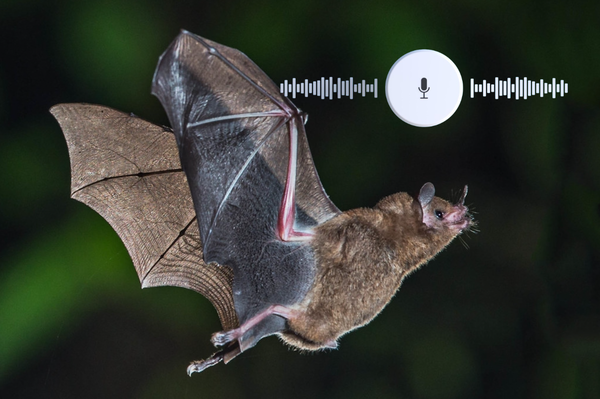
Tropical Bat Call Detection and Classification
Transforming bat population monitoring in Cambodia through advanced bio-acoustic analysis driven by Machine Learning algorithms.
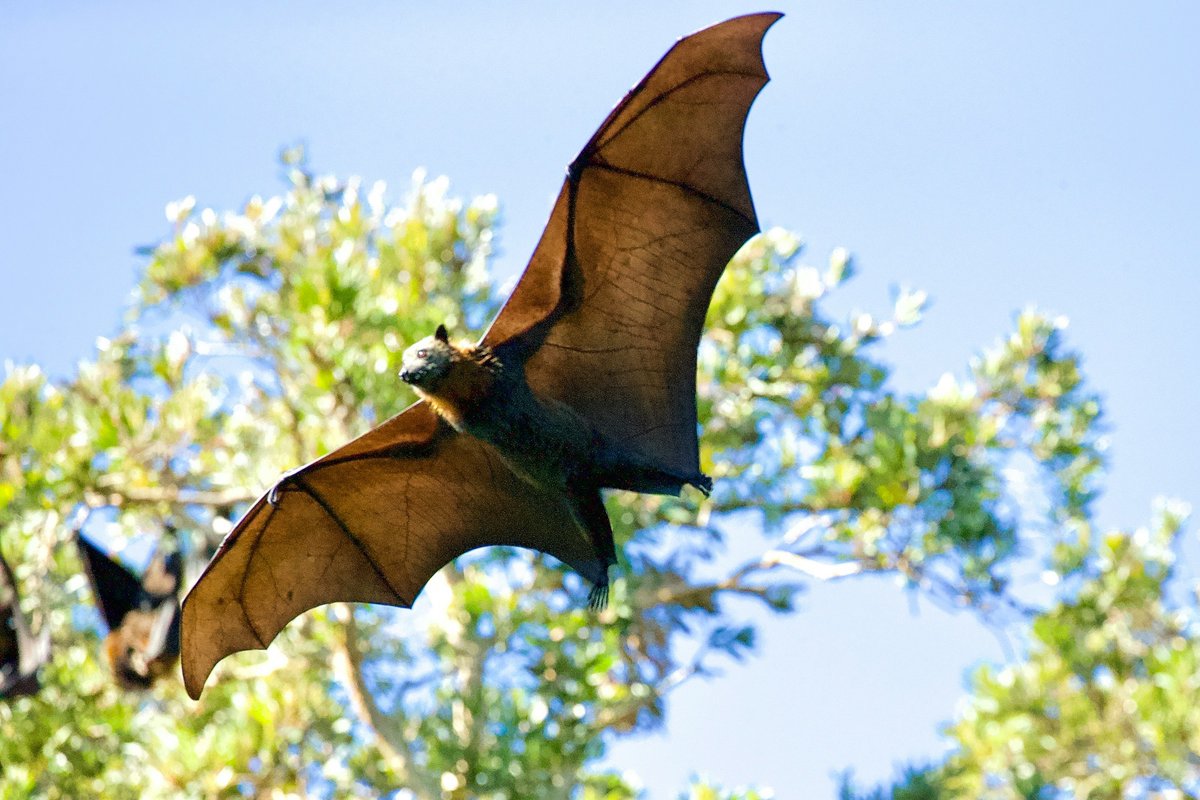
Eighty bat species are now confirmed in Cambodia, and the list keeps growing as surveys reach new places.1 They range from large fruit bats to small insect-eaters that most people never notice.
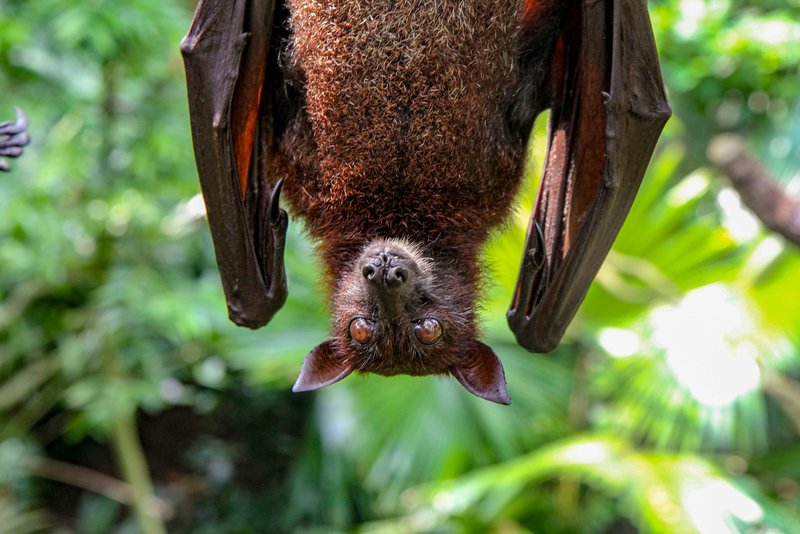
Lyle’s flying fox, one of the country’s best-known bats, feeds on fruit, flowers, nectar and pollen, and spreads seeds as it goes.2 It lives in Cambodia, Thailand, Vietnam and Yunnan in China.2
Lyle’s flying fox is listed as Vulnerable, and its numbers have fallen by more than 30% in fifteen years.2 For many other species, too little is known to say how they are doing at all.
Bats are far easier to record than to see. Our bat call classification work teaches models to recognise species from their echolocation calls, so the recordings Cambodia’s citizen scientists collect can become maps of where each species lives.
Transforming bat population monitoring in Cambodia through advanced bio-acoustic analysis driven by Machine Learning algorithms.
Every project here was built hand in hand with conservation partners, and much of the code is open source. If our work fits a challenge you're facing, or you'd like to build something together, we'd love to hear from you.