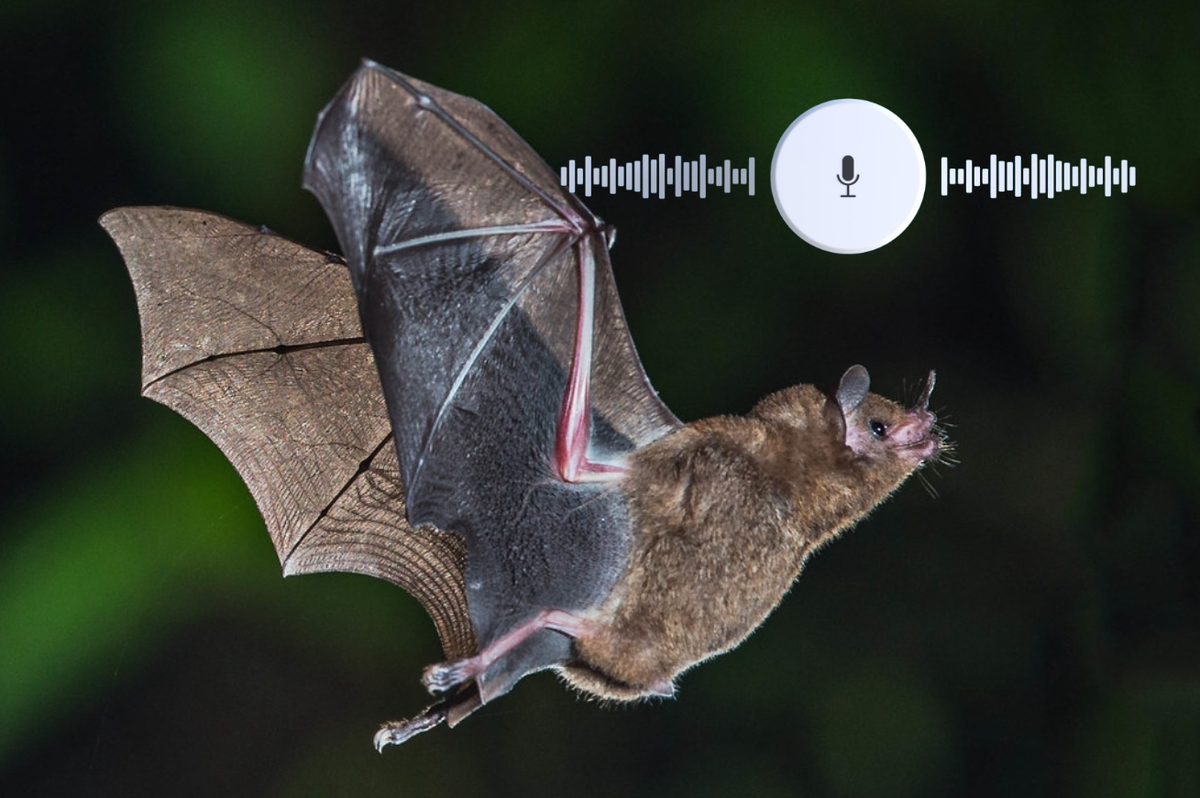
Bats are a familiar sight across Cambodia: colonies of fruit bats such as
Lyle’s flying fox, one of 31 species endemic to southeast Asia, roost in the
trees of pagodas and national monuments. Cambodia is even the only country in the
world with a living tradition of bat-guano cultivation. Yet for all their
visibility, bats are among the country’s least-studied animals, and that gap in
knowledge makes them hard to protect.
Why bats matter
As pollinators, seed-dispersers and pest-controllers, bats quietly keep tropical
ecosystems (and the farms that depend on them) running.
Pest control
A single colony devours vast numbers of insects every night, protecting rice and other crops naturally, without pesticides.
Seed dispersal
Fruit bats carry seeds far across the landscape as they forage, helping regenerate forests and the fruit trees people rely on.
Pollination
Many tropical plants, including valuable fruit trees, depend on bats to pollinate their night-blooming flowers.
Under pressure
Cambodia’s bats face mounting pressure, and a shortage of data leaves them
especially exposed. Tap each to learn more.
Rapidly disappearing roosts and foraging grounds shrink the spaces bats need to feed, breed and shelter.
Heavy pesticide use poisons the insects bats feed on, and the bats themselves.
Bats are taken for the illegal bushmeat and traditional-medicine trades, thinning already fragile populations.
With so little research published, species can decline or vanish before they are ever documented.
Hidden diversity
Just ten years ago, only 30 bat species were recorded in Cambodia, against more
than 100 each in neighbouring Thailand and Vietnam. Today the count is over
70, five of them new to science. One, the Hayes’ thick-thumbed myotis, was
identified only recently after being caught in the heart of Phnom Penh.
What more is waiting to be found?
– Cambodian Urban Bat Project
From a call to a species
The Cambodian Urban Bat Project puts that question to citizen scientists.
Volunteers walk and ride transects through a diversity of urban spaces, and run
stationary recordings in the hotspots their surveys reveal, capturing the
ultrasonic calls bats use to navigate in the dark.
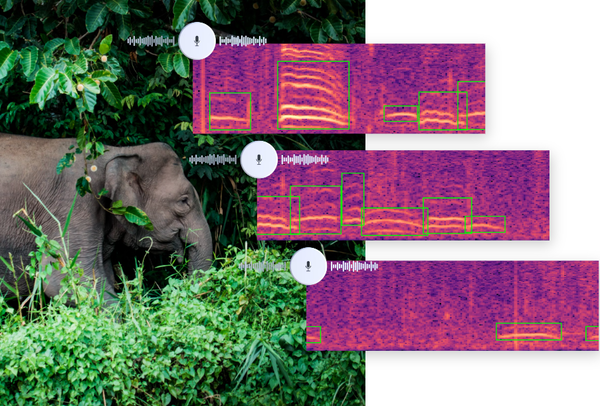
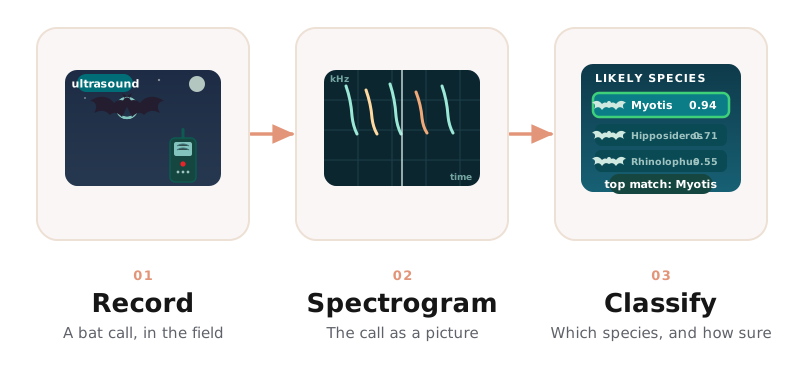 Each recording is turned into a spectrogram, a picture of sound, and a model
reads that picture to identify the species behind the call.
Each recording is turned into a spectrogram, a picture of sound, and a model
reads that picture to identify the species behind the call.
Together with Citibats Cambodia, we’re building bioacoustics tools that turn
those recordings into species. The model lets researchers classify the huge
volume of calls the community gathers, and share
the results openly on
iNaturalist for further
research by anyone, anywhere.
It’s a blueprint for community-powered conservation: low-cost recorders,
volunteer effort and open data adding up to a clearer picture of Cambodia’s
bats, and a faster route to protecting them.