


SalmonVision is a collaborative system for counting wild salmon as they return to their natal streams. It combines underwater cameras, sonar, and drones with computer-vision models that detect, classify, and count fish in real time, turning a labour-intensive manual task into precise, automated reports.
Built with the Pacific Salmon Foundation, the Wild Salmon Center, Lumax AI, and Simon Fraser University, it gives conservationists the reliable population data they need to manage fisheries, protect habitat, and meet regulatory targets.
Why SalmonVision
SalmonVision pairs multi-sensor hardware with computer vision to deliver counts that were previously impossible to gather at scale. Tap each to learn more.
Computer-vision models count and classify fish migrating upstream in real time, replacing slow, error-prone manual tallies.
Underwater cameras, sonar, and drones work in unison to track populations across clear, murky, and hard-to-reach river conditions.
Models recognize the main Pacific salmon species and other fish on the fly, not just a single overall count.
Daily count reports are generated and exported to support fisheries management, habitat protection, and regulatory compliance.
How It Works
Three sensing modalities feed the same computer-vision pipeline, each suited to different sites and water conditions.
Underwater cameras
Motion-triggered underwater cameras wake when a fish passes, and the computer-vision system counts and classifies each individual by species.
Sonar
Acoustic sonar counts fish in low-visibility water where cameras struggle, including juvenile smolt migrating downstream past dams and turbines.
Drones
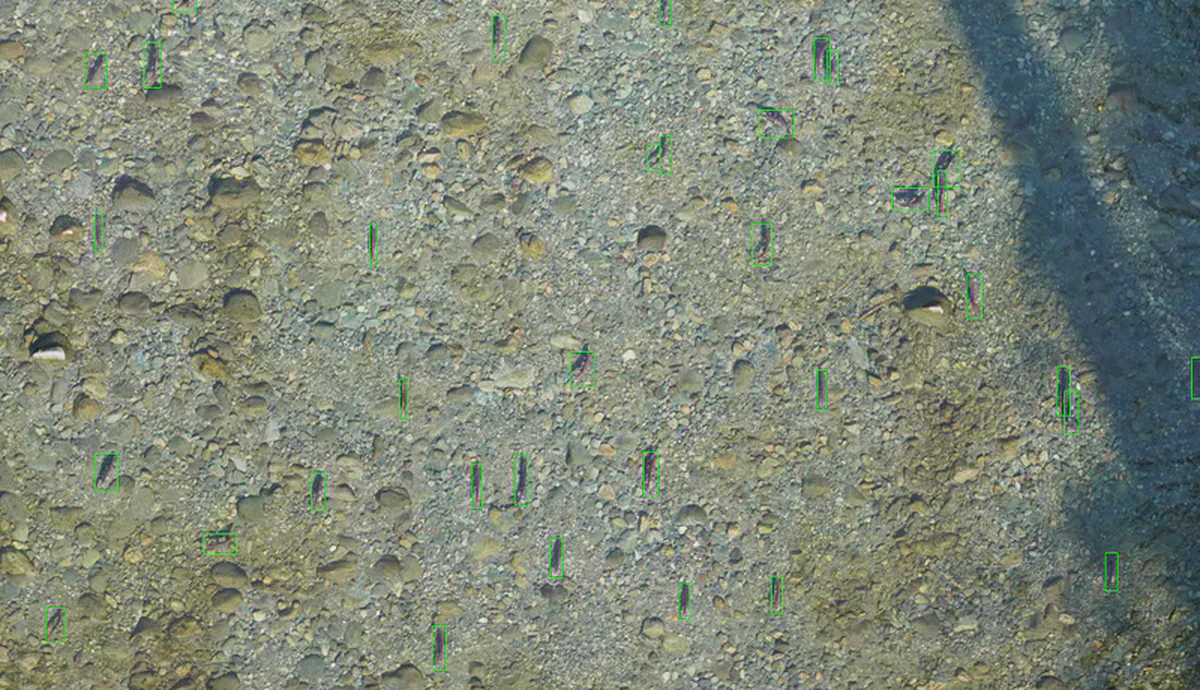
Aerial photogrammetry surveys whole stream reaches from above, helping estimate fish populations and movement where fixed sensors can't reach.
Species We Recognize
SalmonVision identifies the main Pacific salmon species as they pass the camera, not just a single overall fish count.
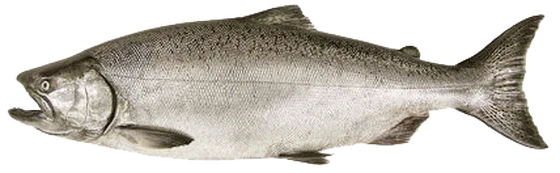
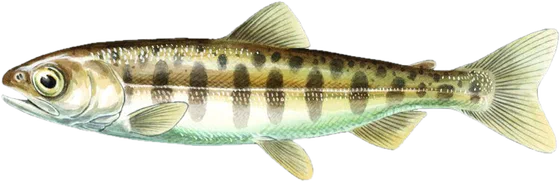
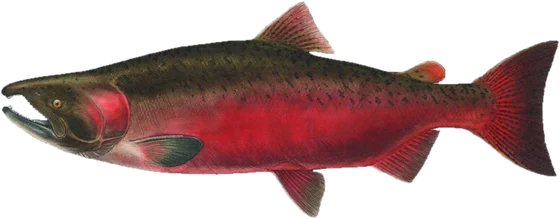
Chinook
The largest Pacific salmon and the prized “king” of the runs, typically around 30 lb but capable of topping 100 lb, and 40–60 inches long.
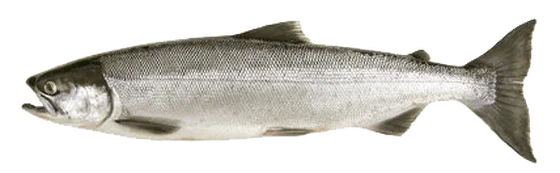
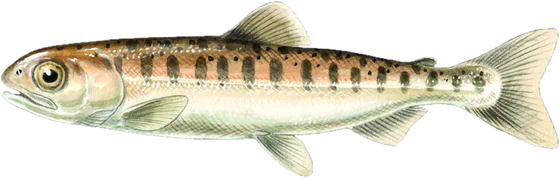
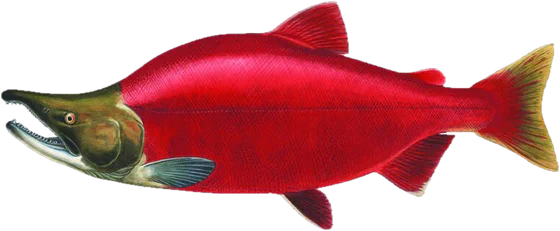
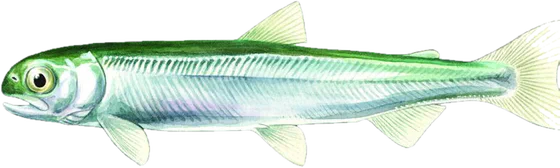
Sockeye
Slim, streamlined and brilliantly coloured. Culturally vital to many First Nations; matures around age four at 5–12 lb and 20–28 inches.
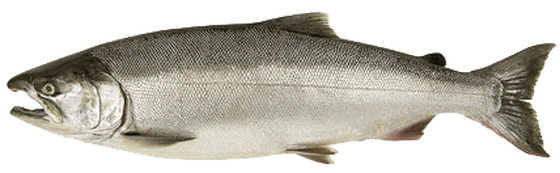
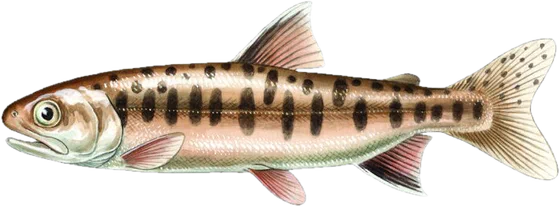
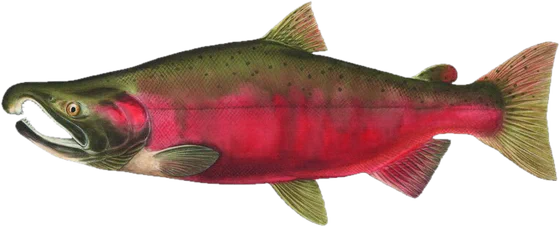
Coho
A highly adaptable “silver” salmon found in rivers and streams across North America. Usually 8–12 lb and 18–24 inches long.
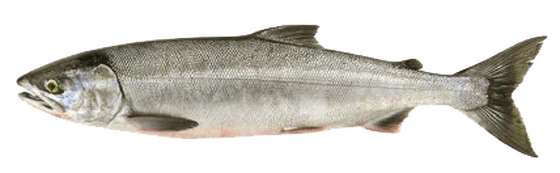
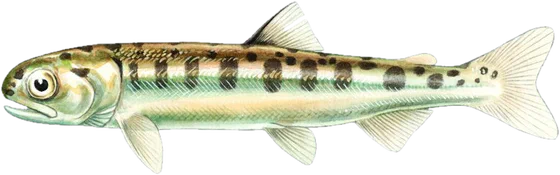
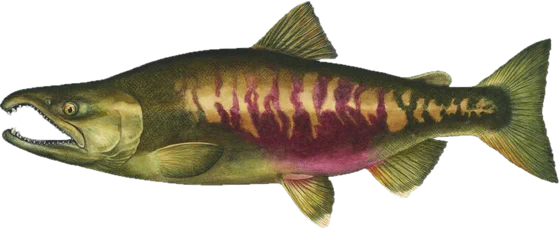
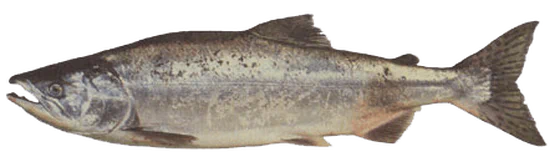
Chum
The second-largest Pacific salmon after Chinook. Typically 12–15 lb and 35–45 inches long.
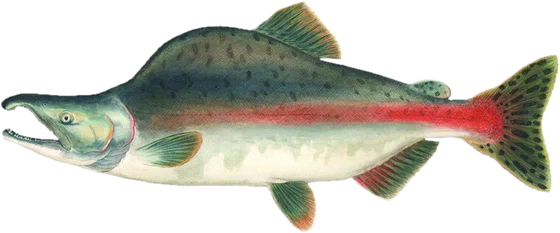
Pink
The smallest and most abundant Pacific salmon in BC, and the least vulnerable to extinction. Usually 3–11 lb and 18–24 inches.
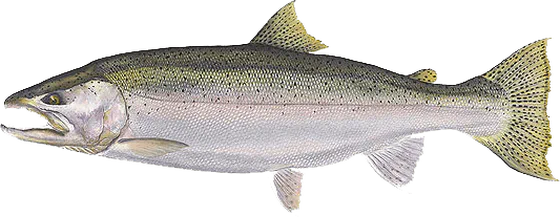
Steelhead
Sea-run rainbow trout that, unlike other Pacific salmon, can spawn more than once. Most are 8–20 lb, though some top 30 lb and 45 inches.
Juvenile and spawning salmon illustrations by Kate Spencer, from the Atlas of Pacific Salmon, courtesy of Wild Salmon Center.
Beyond the salmon above, the system also recognizes Bull Trout, Rainbow Trout, Whitefish, Shiner, Pikeminnow, Jack Chinook, Lamprey, and Cutthroat Trout.
See SalmonVision in Action
Watch the system at work in the field and inside the web app.
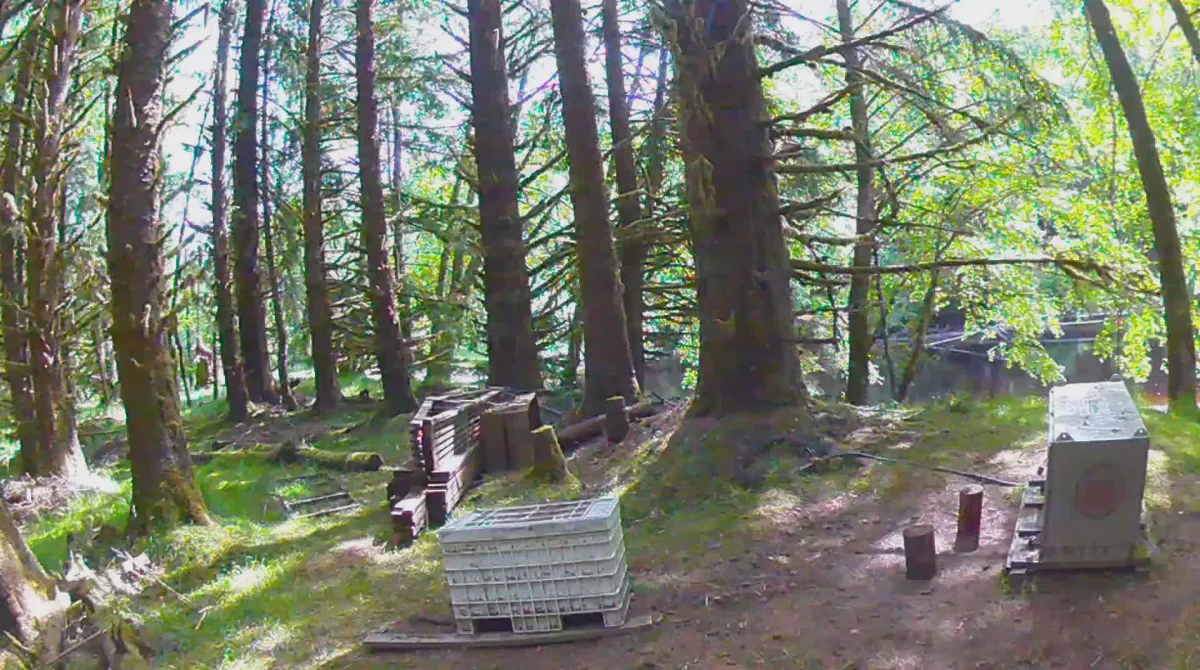
Filmed at Bear Creek River: the underwater monitoring system going live. As fish swim past, the camera activates and the system counts them in real time.
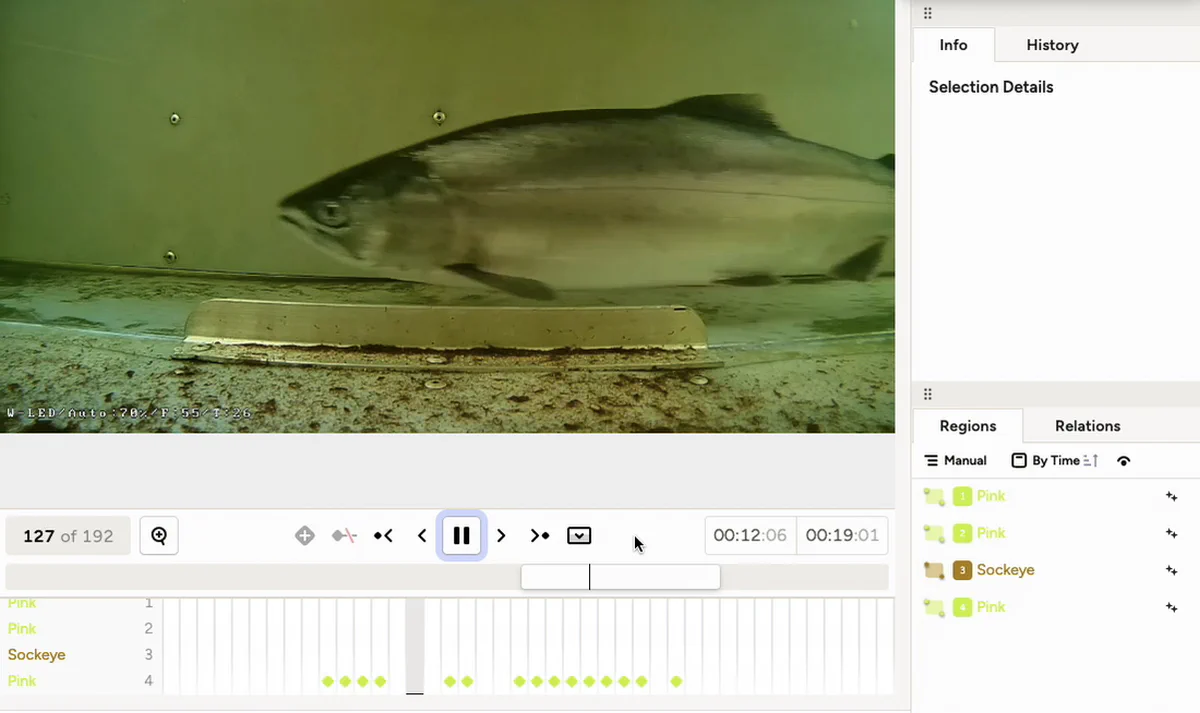
Underwater Camera Activated at Bear Creek River: Monitoring System Now LiveInside the web app, the model tracks each fish across frames and proposes a species and count for a reviewer to confirm. This short clip from the SalmonVision user guide shows a review session in progress.
Reviewing detections in the SalmonVision web app: bounding boxes, species labels, and counts on a timeline.And run the models yourself: two interactive demos let you try SalmonVision on real data, right from your browser.
In Partnership with First Nations
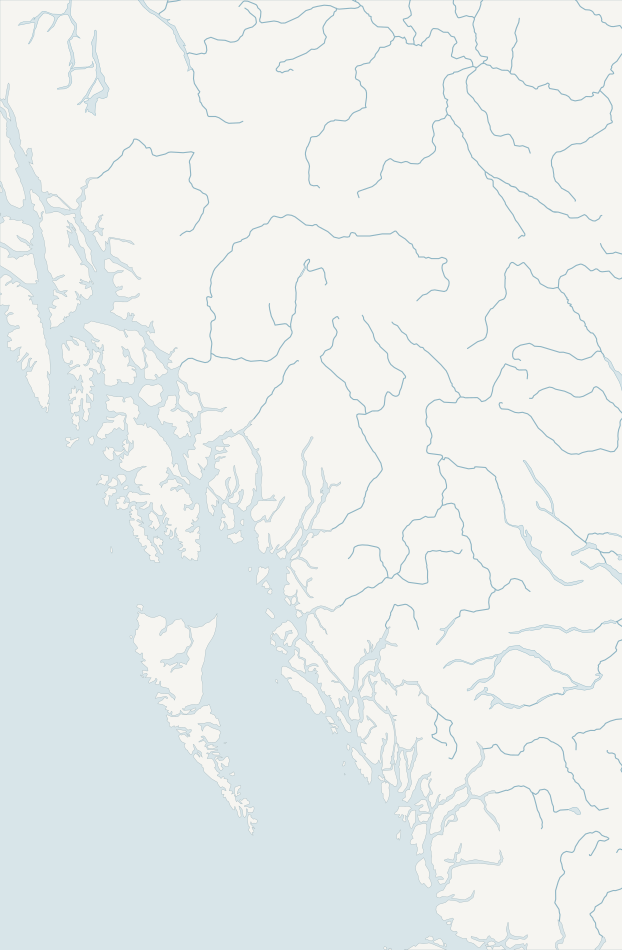
First Nations across the North and Central Coast of British Columbia are at the heart of SalmonVision, contributing data and expertise to train the models and leading their use for salmon stewardship within their own territories.
Gitanyow Fishery Authority
Salmon stewardship in Gitanyow territory.
Haida Fishery Program
Salmon monitoring across the watersheds of Haida Gwaii.
Heiltsuk Integrated Resource Management Department
Stewardship and monitoring in Heiltsuk Territory.
Kitasoo Xai'xais Stewardship Authority
Stewardship in Kitasoo Xai'xais Territory.
Nuxalk Stewardship
Conservation and monitoring in Nuxalk Nation territory.
Skeena Fisheries Commission
Co-management of salmon across the Skeena watershed.
Taku River Tlingit
Salmon stewardship in the Taku River watershed.
Wuikinuxv Fishery Program
Community-based salmon monitoring and management.
Frequently Asked Questions
Tap a question to see the answer.
Models reach over 95% accuracy for salmon detection and counting in good conditions, with 90–95% species classification. Accuracy depends on water clarity, lighting, and camera placement.
Video from underwater cameras, weirs, fish ladders, and drones, in standard formats and across a wide range of field conditions.
The main Pacific salmon species (Steelhead, Sockeye, Pink, Coho, Chum, and Chinook), plus other fish such as trout, whitefish, and lamprey.
The computer-vision models are released under the MIT license, and the training datasets under CC BY-NC-SA 4.0, to support conservation worldwide.
The web application is free for educational and research use. Conservation groups and Indigenous communities may qualify for subsidized or complimentary access.
Yes. Models can be fine-tuned or built from scratch for your specific watershed, camera setup, or target species.
Explore the full SalmonVision platform
See deployments, count dashboards, and how to get involved on the SalmonVision website.
Visit SalmonVision