


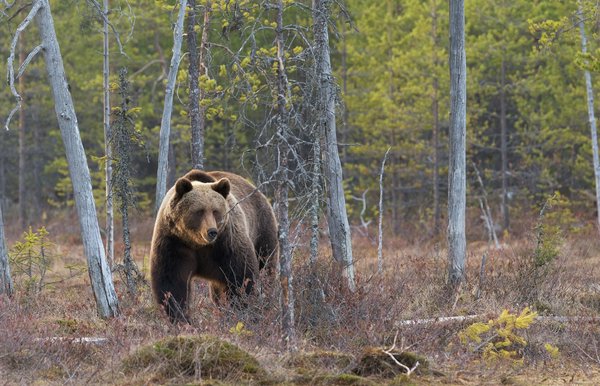
Bear Deterrence in the Carpathians
Utilizing low-power technology to detect and deter bears from encroaching on Romanian farms.

Democratize open and low-tech solutions for fighting wildfires, for the benefit of the ecosystems and the citizens.
Pyronear takes a whole-system approach to wildfire risk. At its core is an early-detection model that runs on a compact, low-power microcomputer, fed by a network of high-resolution cameras mounted at high vantage points for panoramic coverage of the forest. Together they form a proactive line of defense against wildfires, spotting smoke early and getting the alert to the people who can act on it.
Our detectors communicate fire alerts to a database that is connected to a supervision platform for the fire department.
– Pyronear
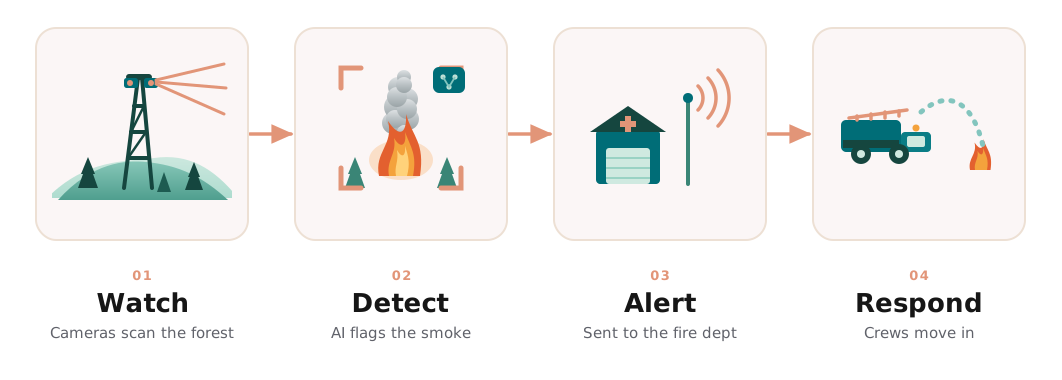 Overview of the Pyronear system to monitor forests around the clock
The video below, filmed in the Forest of Fontainebleau, shows how the system works end to end: a firefighter walks through the full pipeline, from the cameras spotting the first signs of smoke to the alert reaching the fire department.
Protecting forests from fire is crucial for several reasons. Tap each to learn more.
Forests shelter countless plant and animal species. Wildfire destroys their habitats, eroding biodiversity and pushing vulnerable species toward extinction.
Forests act as carbon sinks, pulling CO₂ from the air and locking it into trees and soil. When they burn, that stored carbon is released back into the atmosphere, accelerating climate change.
Healthy forests regulate the water cycle, holding soil moisture, curbing erosion, and feeding rivers and streams. Fire disrupts all of it, degrading soil and harming water quality and supply.
Forests underpin livelihoods: timber, non-timber products, and recreation. Wildfire damages these resources and the forestry, tourism, and agriculture that depend on them, costing local communities dearly.
Wildfire smoke drifts far beyond the fire line, and its air pollution hits the vulnerable hardest: children, the elderly, and people with respiratory conditions. Stopping fires early protects public health.
Preserving forests from fire is essential for ecological balance, a stable climate, the livelihoods forests support, and the health of people and wildlife alike.
Our partnership is focused on enhancing the precision of the early forest fire detection system, with the goal of minimizing false alarms to bolster confidence among firefighters and stakeholders. Additionally, we aspire to incorporate industry-leading methodologies for effectively managing, deploying, and maintaining Machine Learning Models, ensuring optimal performance and reliability over time.
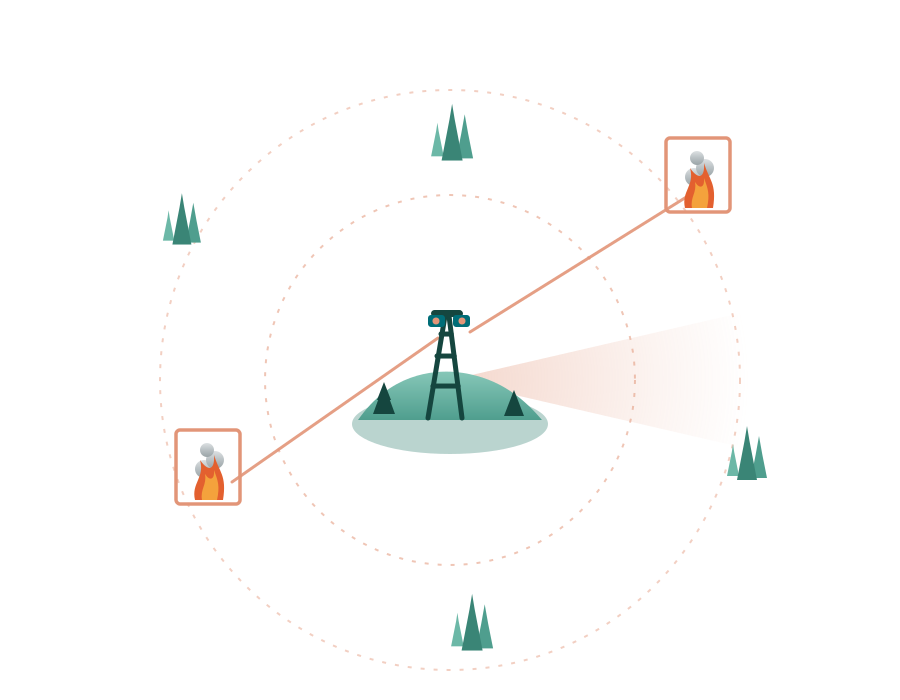 Overview of the camera system that can cover 360 degrees angle
Our work is centered on enhancing the core of the Pyronear system, which analyzes real-time images from cameras mounted on tower antennas.
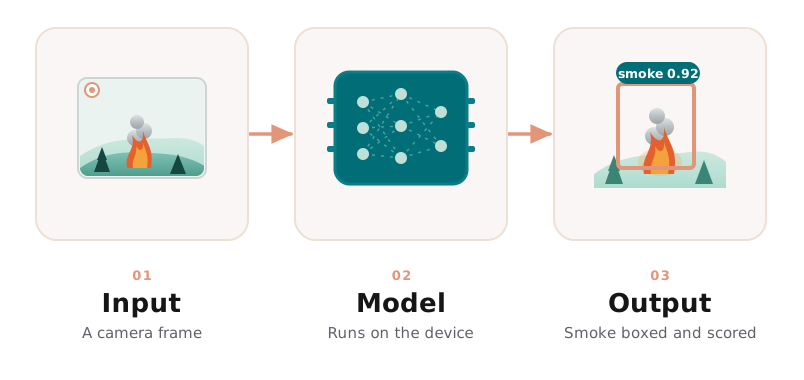 Overview of the embedded ML system
In this section, we detail the setup of the Pyronear system in Fontainebleau before the summer of 2024. This pilot project, initiated by the fire department, aims to evaluate Pyronear’s effectiveness in detecting early forest fires.
By placing cameras on top of tower antennas, the system can monitor the surrounding forest over a long range, detecting fires from tens of kilometers away.
The image below shows the antenna where the Pyronear system is installed.
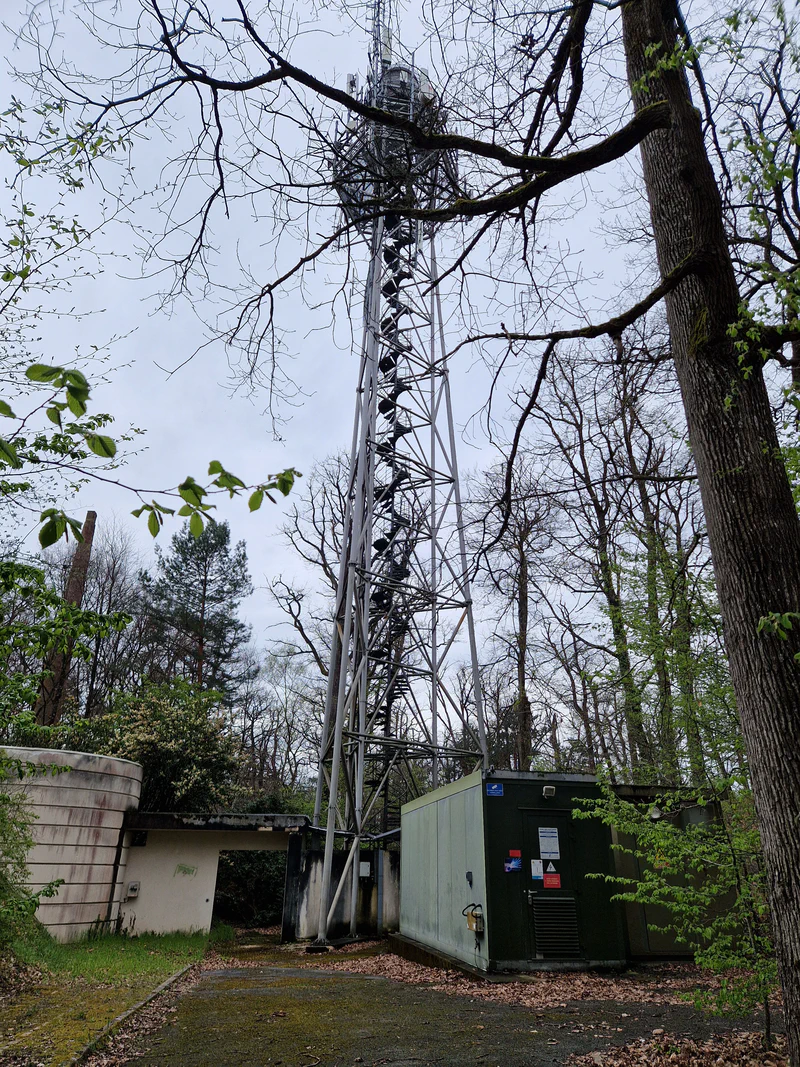
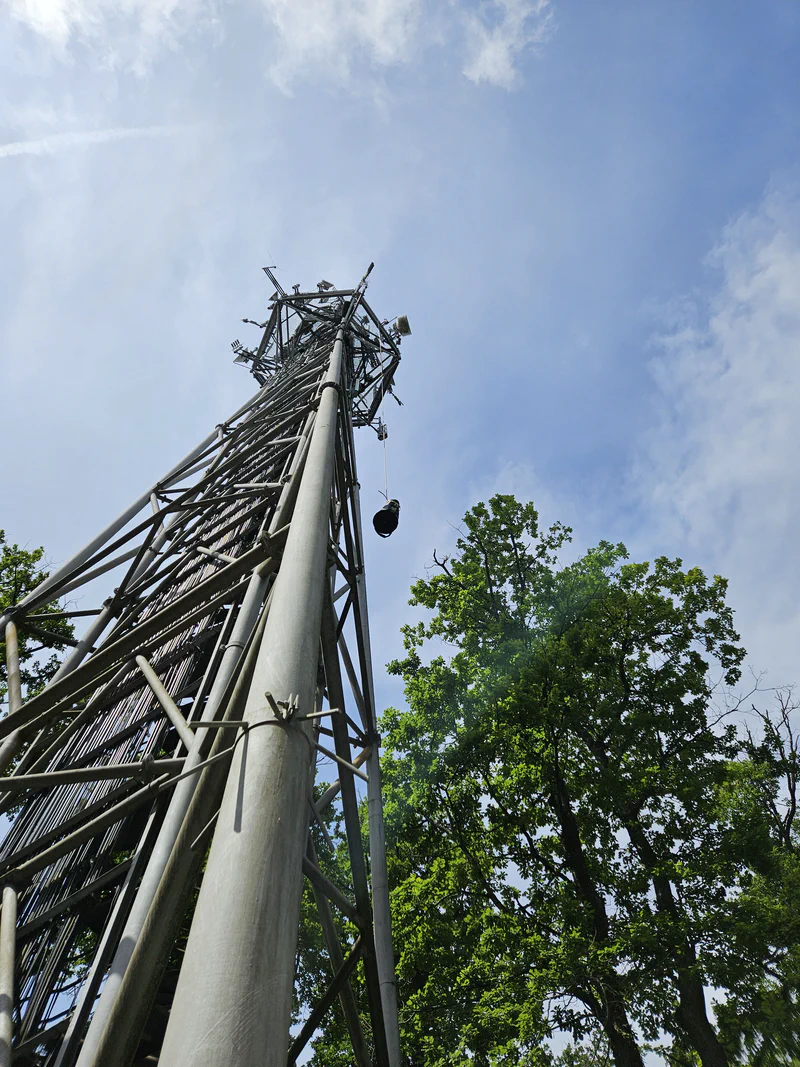
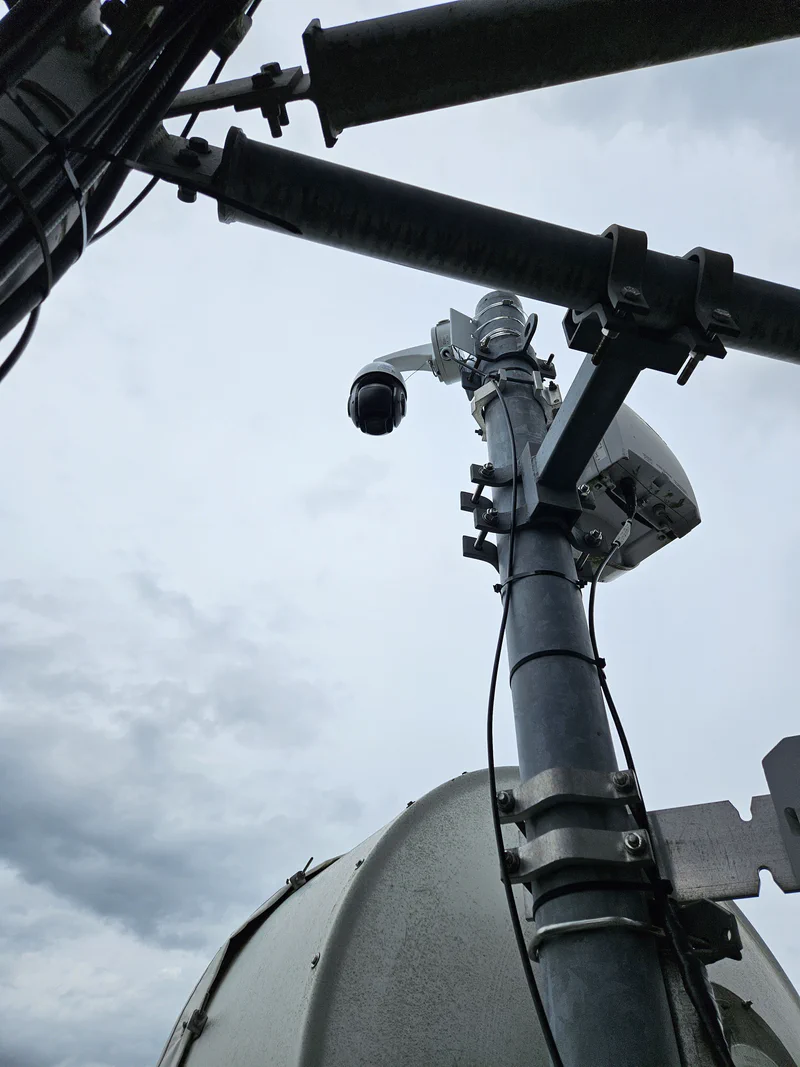
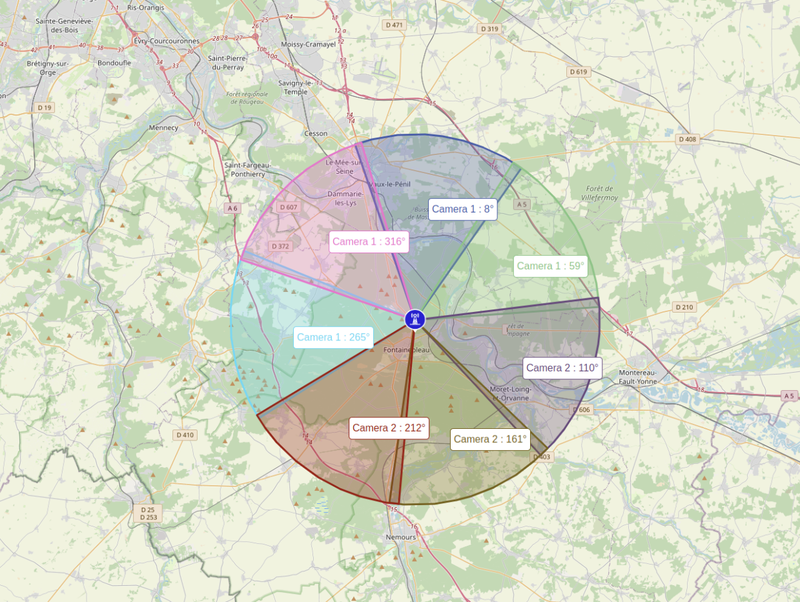
Two cameras are mounted on top of the antenna tower, providing 360-degree coverage of the area. These cameras can be programmed to capture images at specific angles.
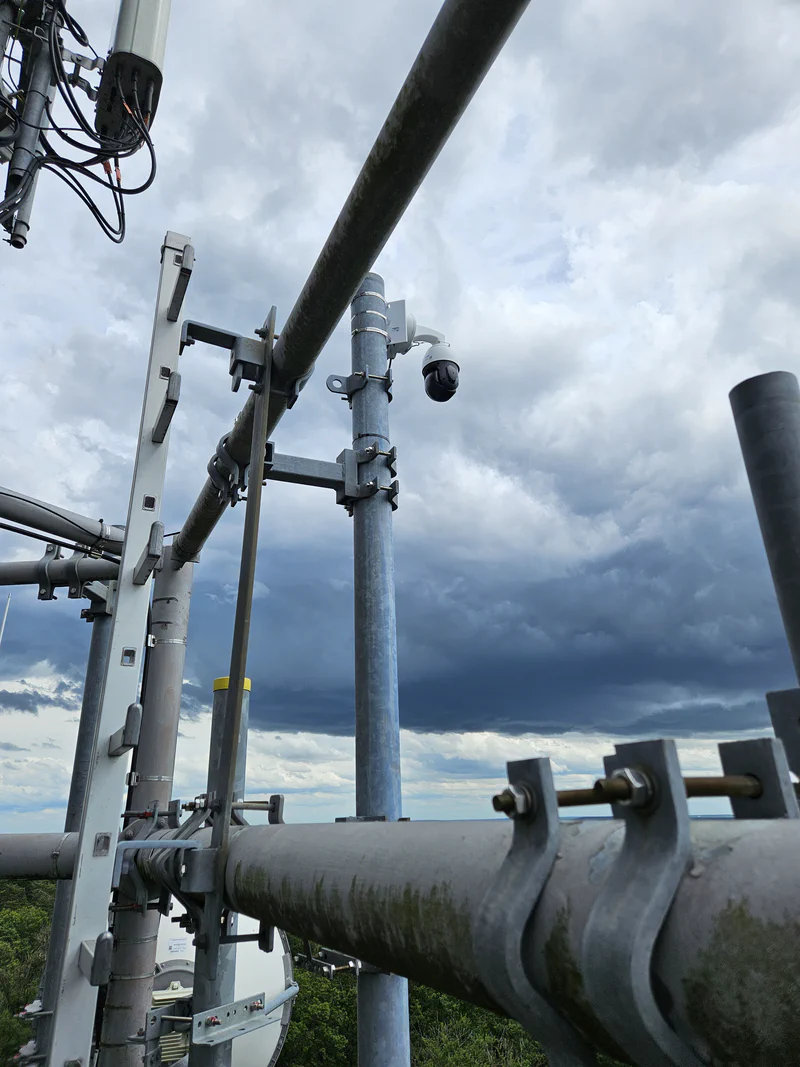
The map below illustrates how the chosen set of angles enables complete 360-degree coverage.
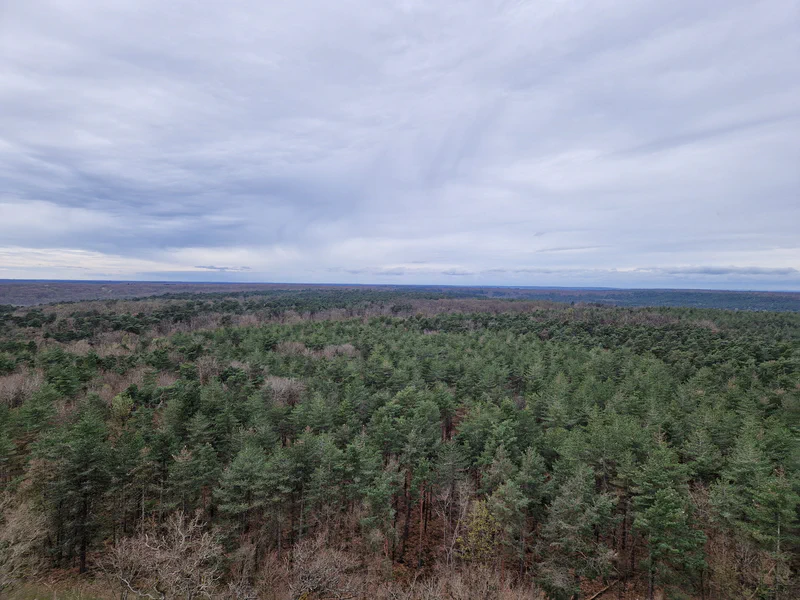
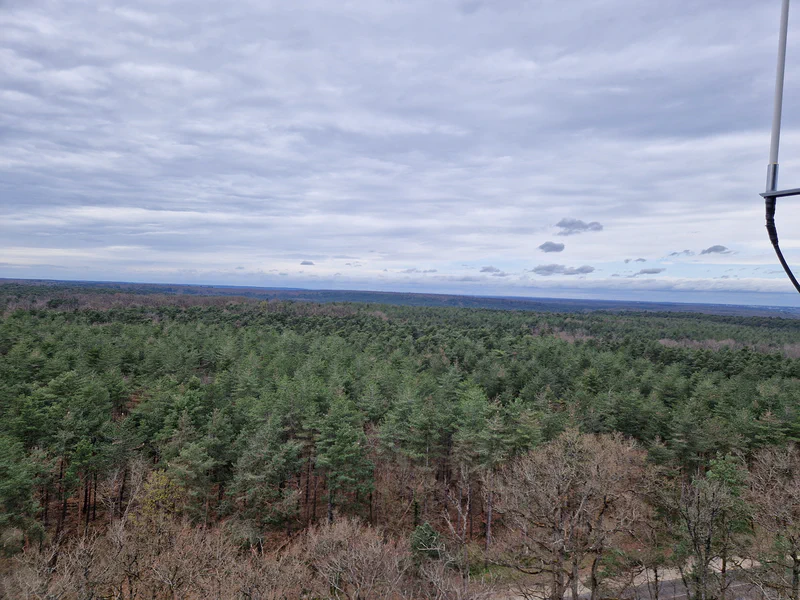
From the top of the antenna, the forest can be observed over a vast distance, allowing a single Pyronear system to effectively monitor and protect a large area. In practice, antennas are often positioned on hills, enabling the detection of forest fires from 30 to 60 kilometers away.
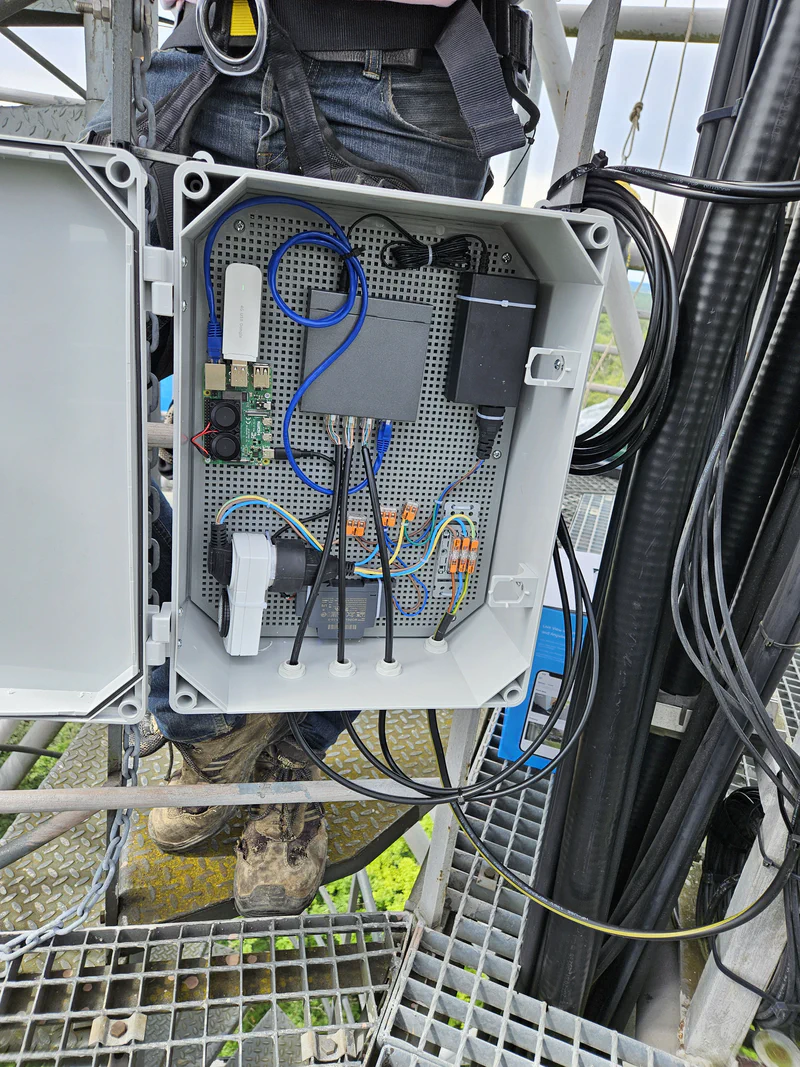
Shown below is the installed Pyronear system, housed in a secure enclosure. The Pyronear team developed a plug-and-play setup featuring a central processing unit built around a Raspberry Pi, connected to four cameras that provide 360-degree coverage. This system processes images continuously, around the clock.
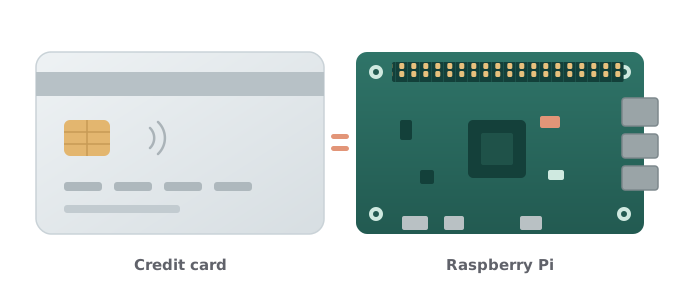 The brain of the whole system is no bigger than a credit card.
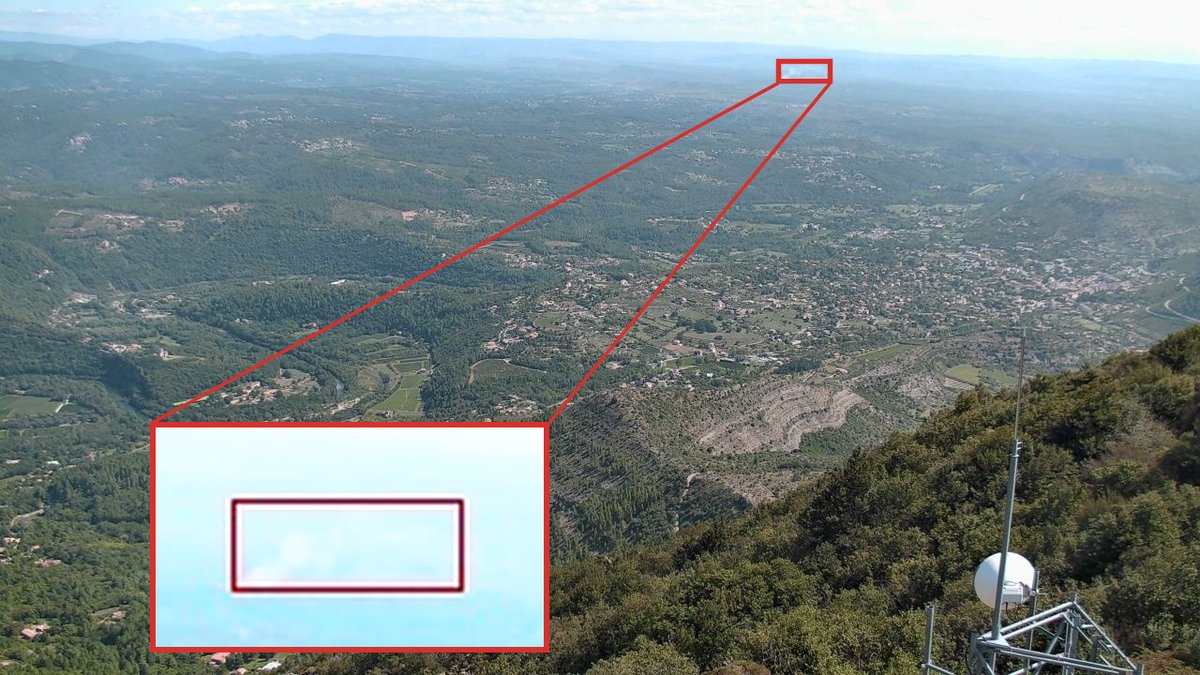
The computer vision model detected a forest fire in Fontainebleau from a distance of 35 kilometers in real time, setting a new record for the Pyronear system. The video below shows a thin black smoke rising in the distance.
A single frame can only tell you so much. Early wildfire smoke is a faint grey wisp, easy to confuse with a passing cloud, a bank of fog, or kicked-up dust, and every false alarm that reaches a fire crew chips away at their trust in the system.
There is a wildfire in the opening frame of this real camera sequence. Try to find it before the box appears.
So we taught the system to look at how a candidate behaves over time. Real smoke does things a cloud doesn’t: it stays anchored to one spot on the hillside, grows, and slowly drifts. To make that easy to read, the system locks onto the candidate and holds the view steady, so the background sits still and the smoke becomes the one thing that moves.

That extra, time-aware look cuts false alarms by around 4× while still catching the real fires, a far cleaner stream of alerts for the people acting on them. If you want the full story, we wrote up how we built and raced the candidate models and how the model reads smoke over time.
A computer vision model that catches the first signs of forest fire is a practical, low-cost way to protect them. It gets firefighters to the scene sooner, and as climate change leaves forests increasingly exposed, that head start matters more every year.
See the model in action right in your browser. Try it on the built-in examples or your own data. No install, no setup.
Open the demoWe build conservation technology with partners in the field. Tell us what you're monitoring and we'll tell you what's possible.

Utilizing low-power technology to detect and deter bears from encroaching on Romanian farms.
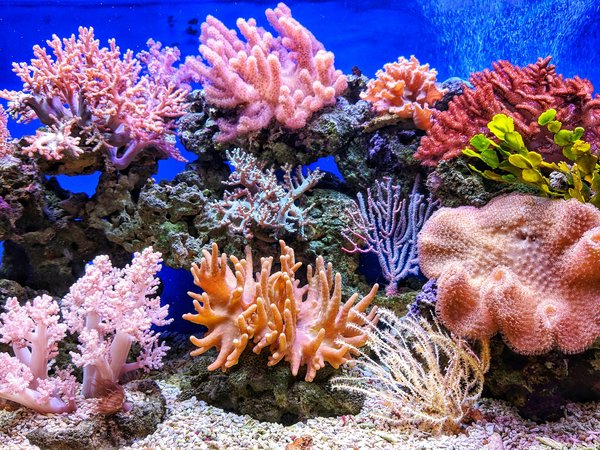
Segmentation of coral reefs in benthic imagery to quantify the long-term growth or decline of coral cover within marine protected areas.
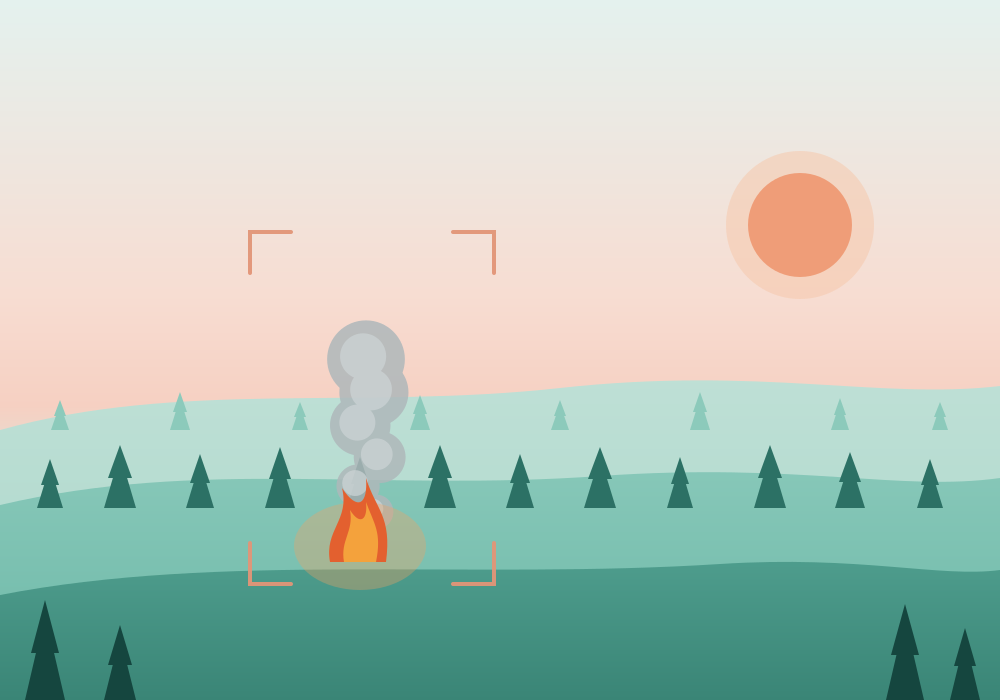
Real-time camera analysis that spots wildfires early and raises the alarm fast.
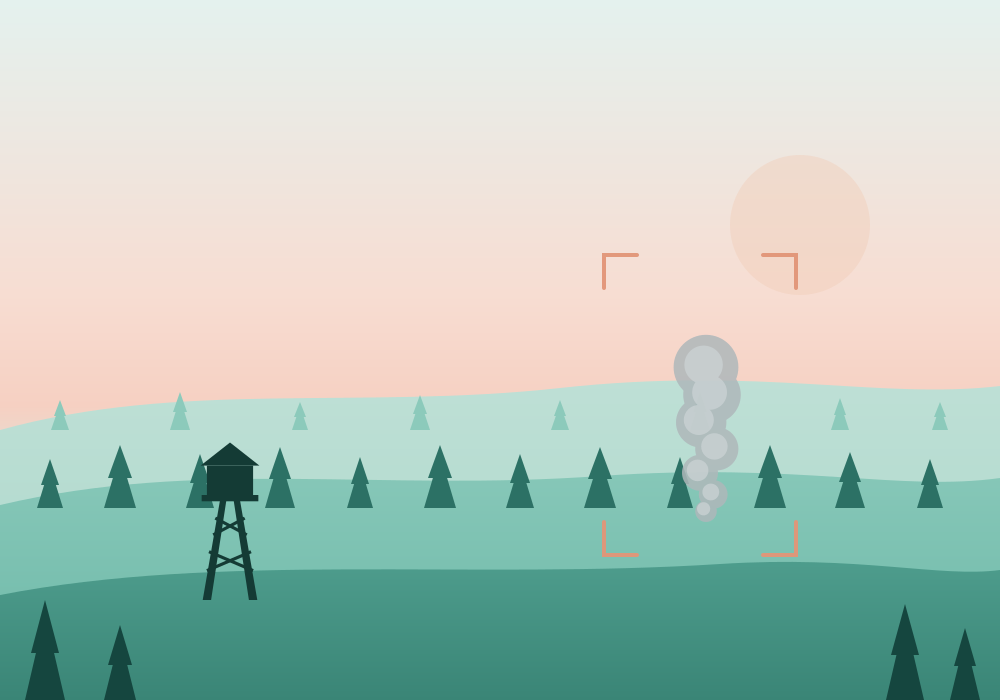
Watching camera sequences over time to tell genuine wildfire smoke from look-alikes.
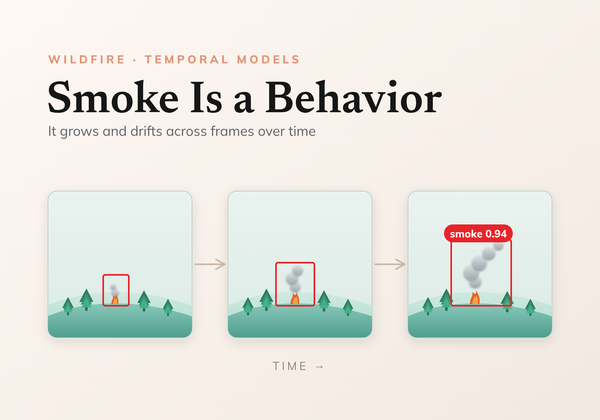
How the temporal smoke verifier works, step by step. Detection boxes become tubes, stabilized crops make motion legible, and a vision transformer plus a tiny temporal head learn that smoke grows and drifts.
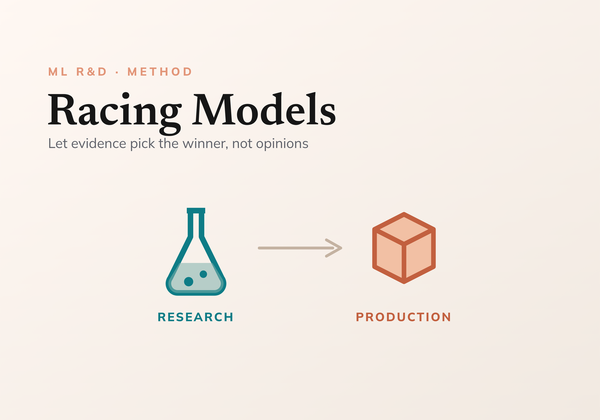
How a literature survey, self-contained experiments, and a shared leaderboard turned 28 research papers into a production smoke verifier with 4x fewer false alarms.
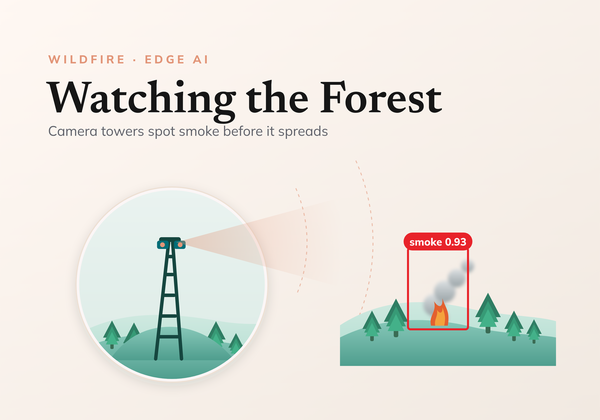
Detecting early forest fires in real time using low powered technology