


Snow Leopard Monitoring
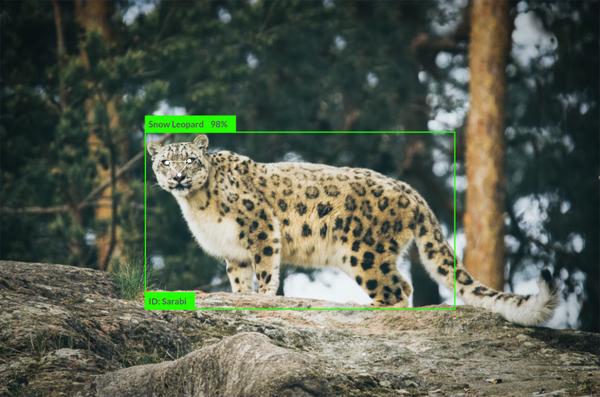
Non-invasive snow leopard monitoring using computer vision analysis of camera trap photos to identify individual animals.
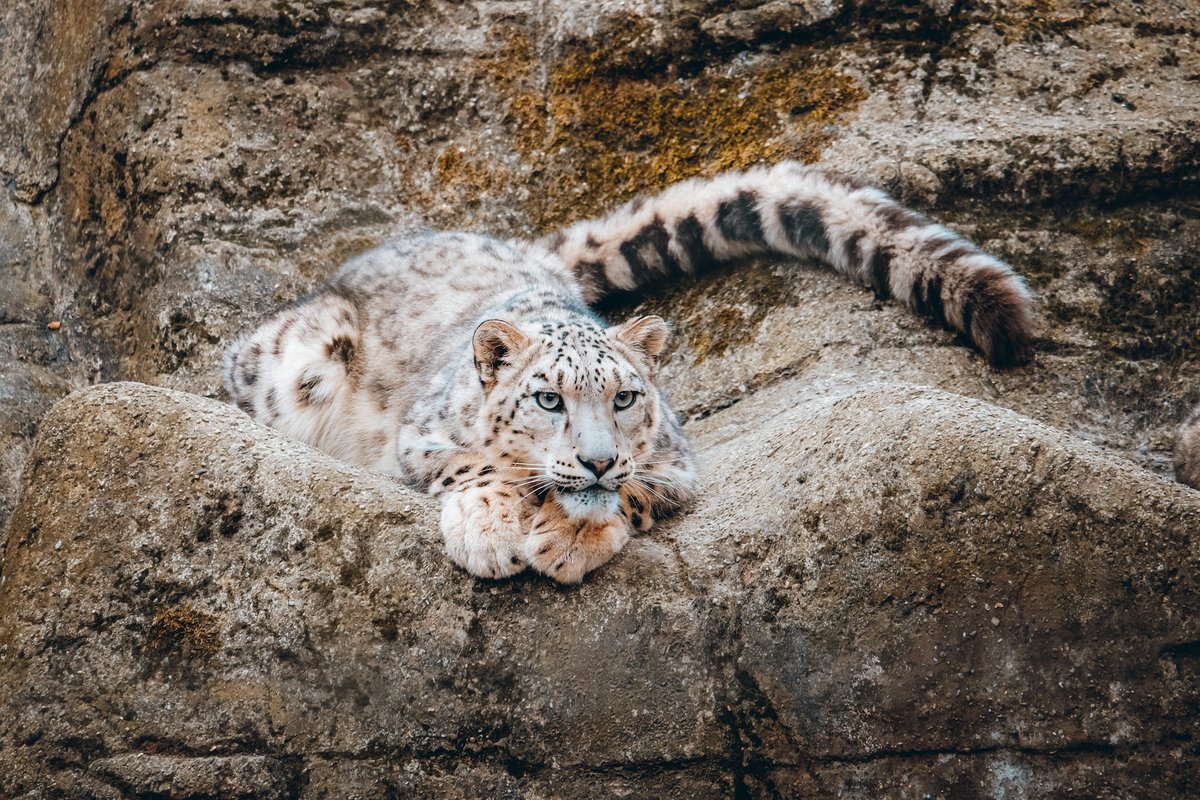
Snow leopards live on the cliffs and ridges of Central Asia’s high mountains, in alpine zones between 3,000 and 4,500 m.2 They are solitary, most active from dawn into the early morning, and use their long, flexible tail both for balance on broken rock and as a blanket over the face while they sleep.2 Fewer than 10,000 mature adults remain,2 and the species is listed as Vulnerable.1
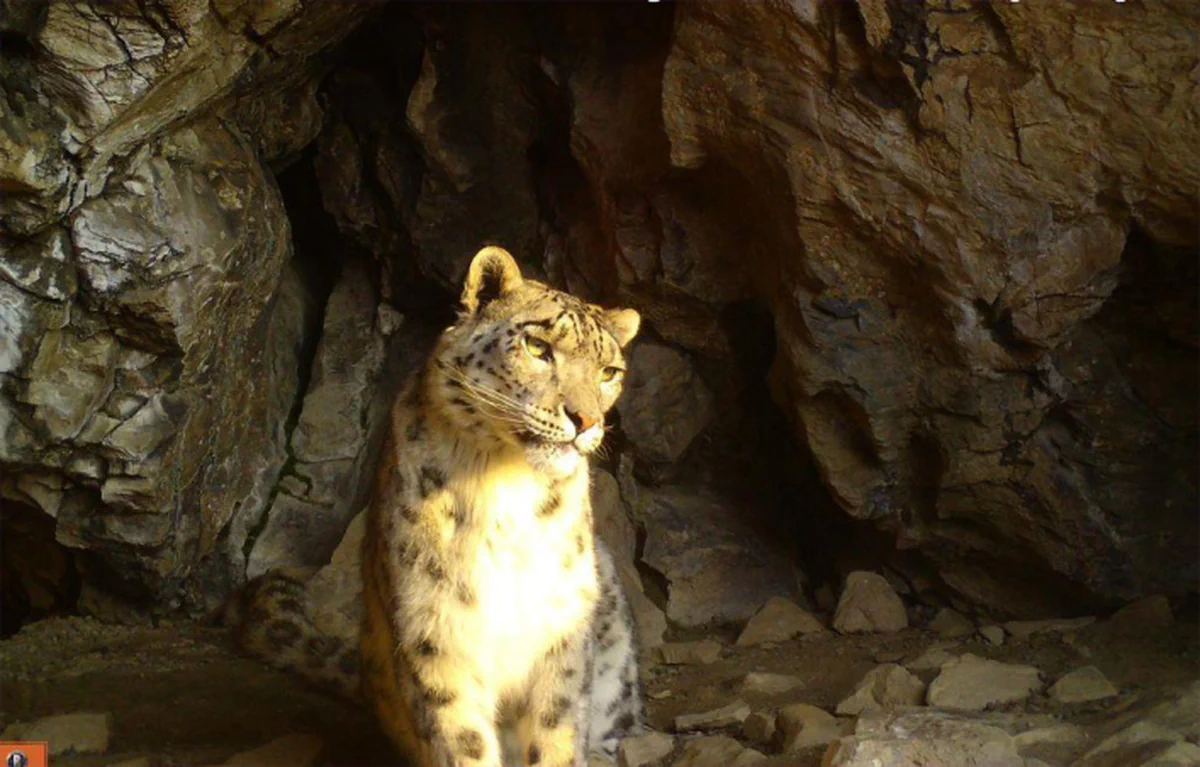
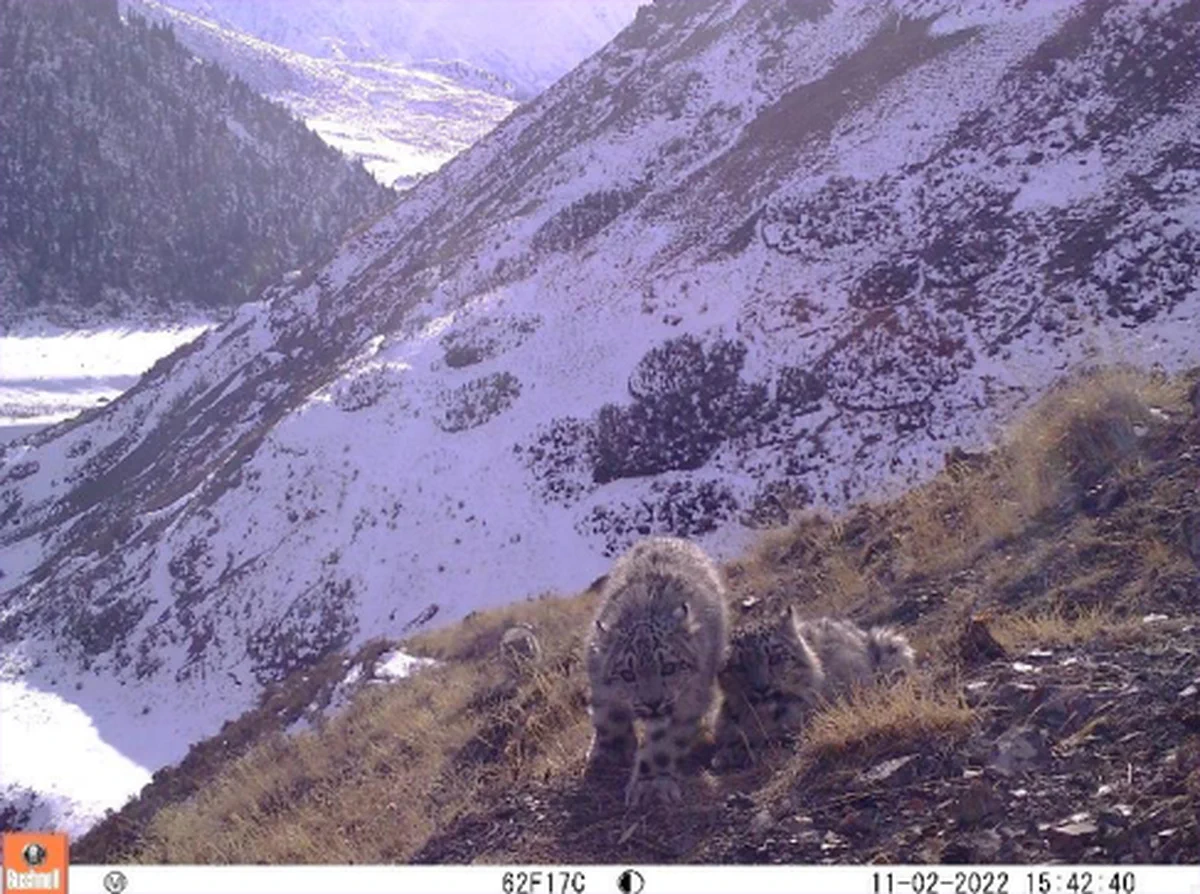
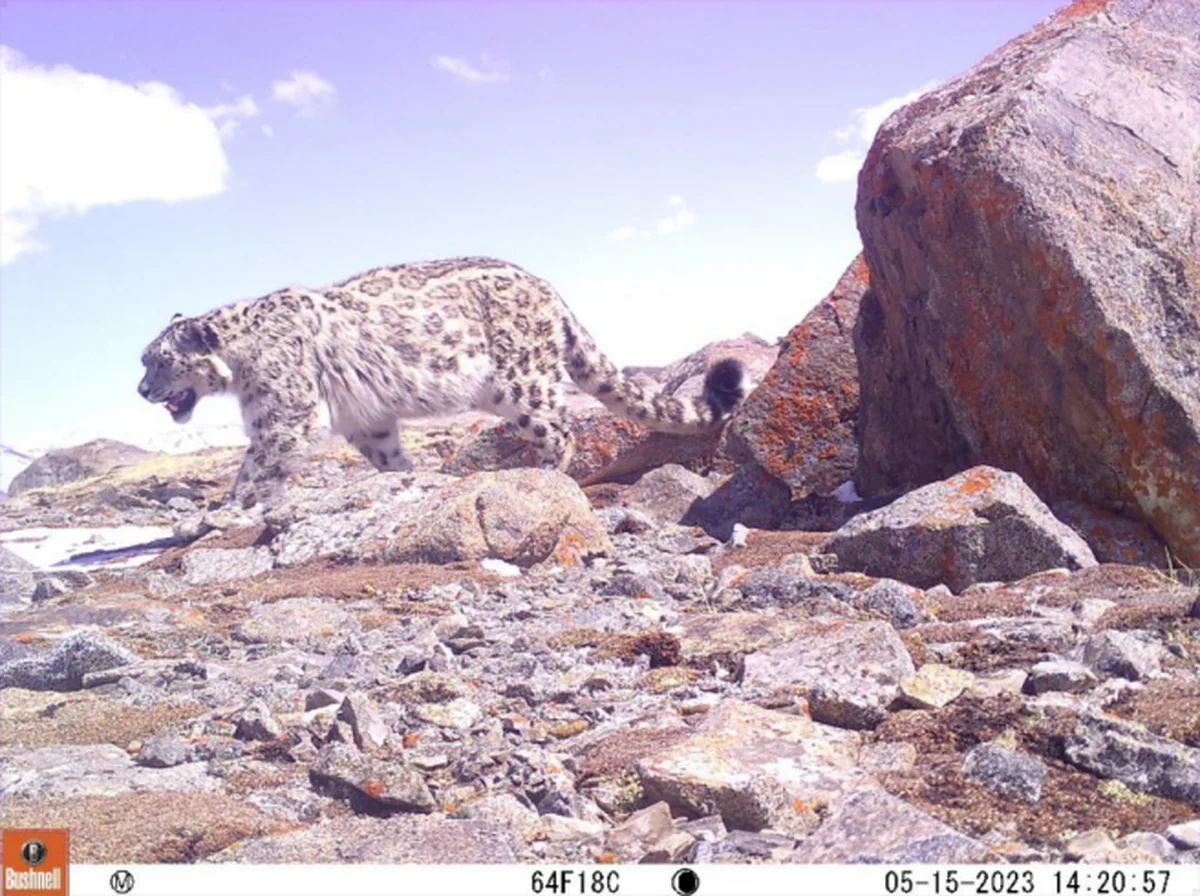
The snow leopard hunts blue sheep, Himalayan tahr, argali, markhor and wild goats, and can take most of the hoofed animals that share its range.2 A healthy population means a mountain that still has room, and prey, for a large cat.
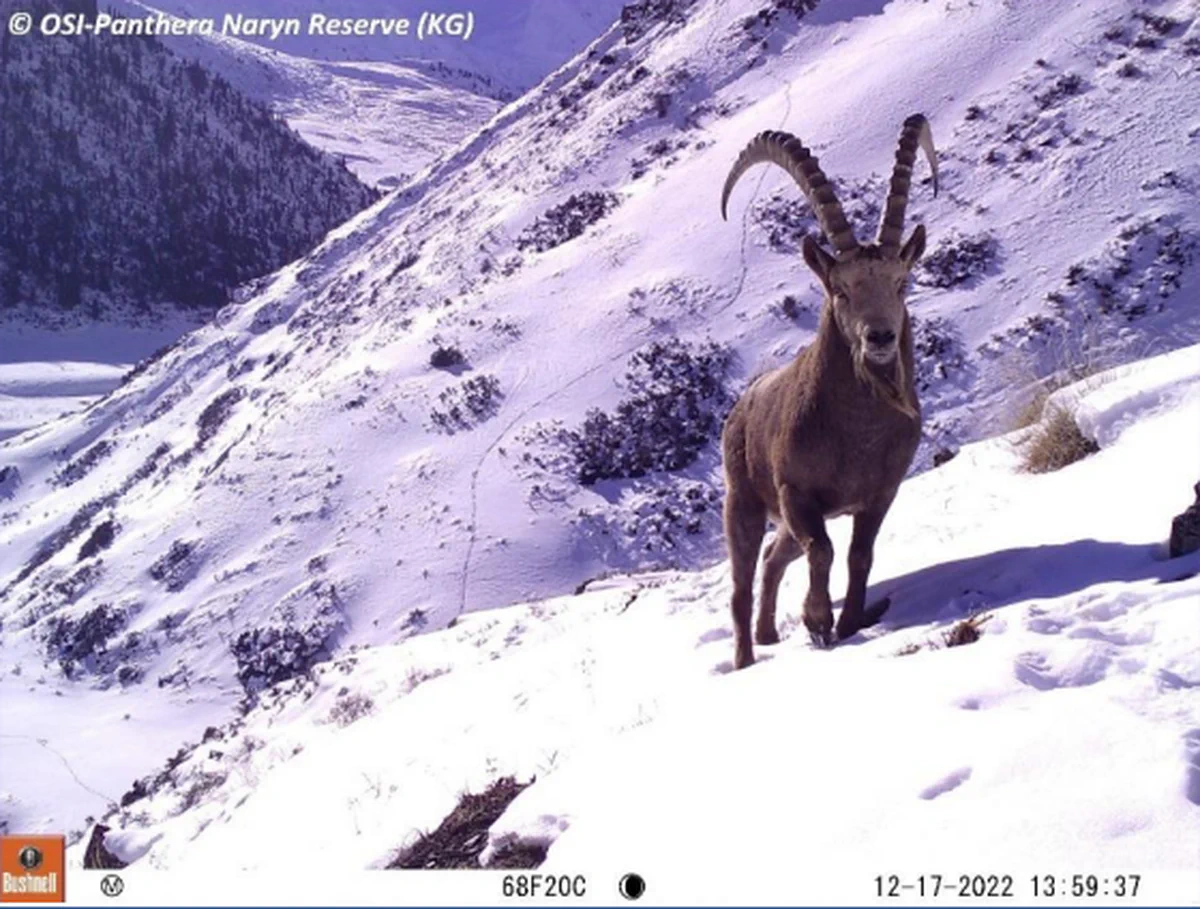
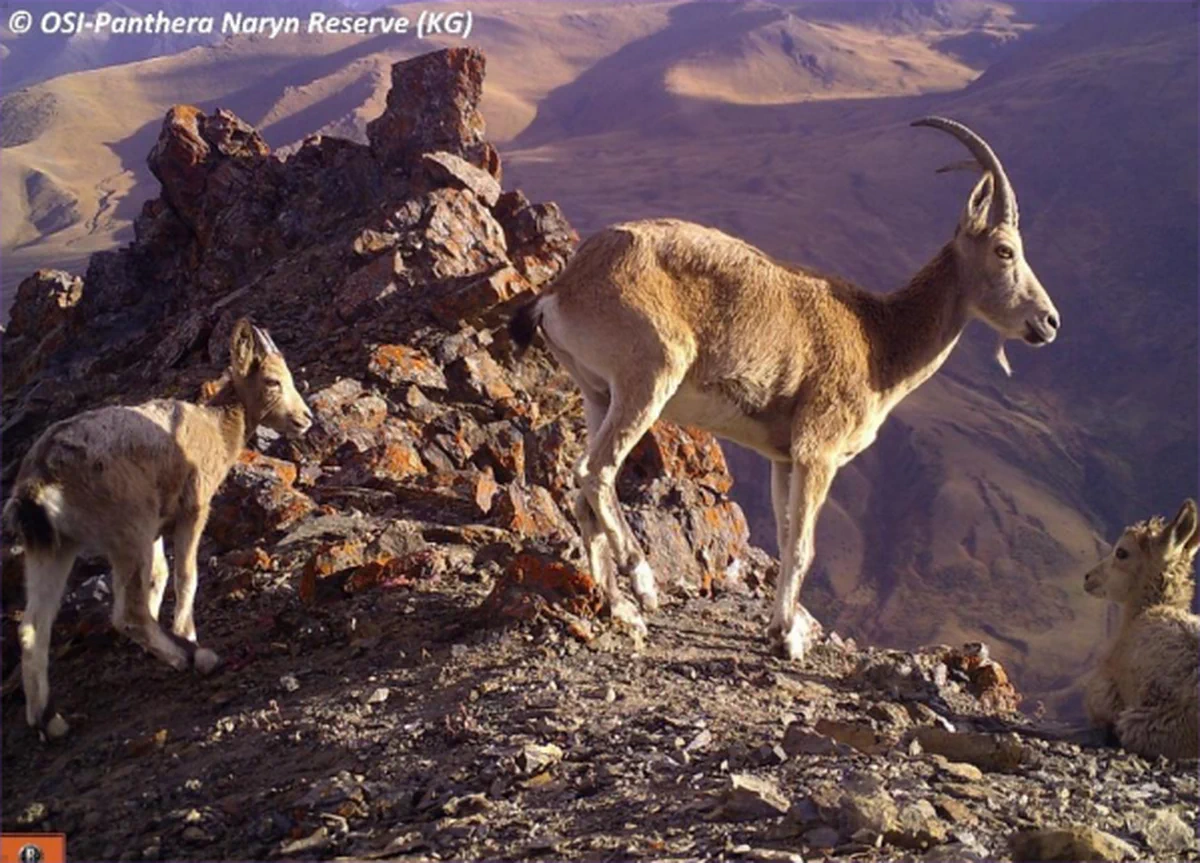
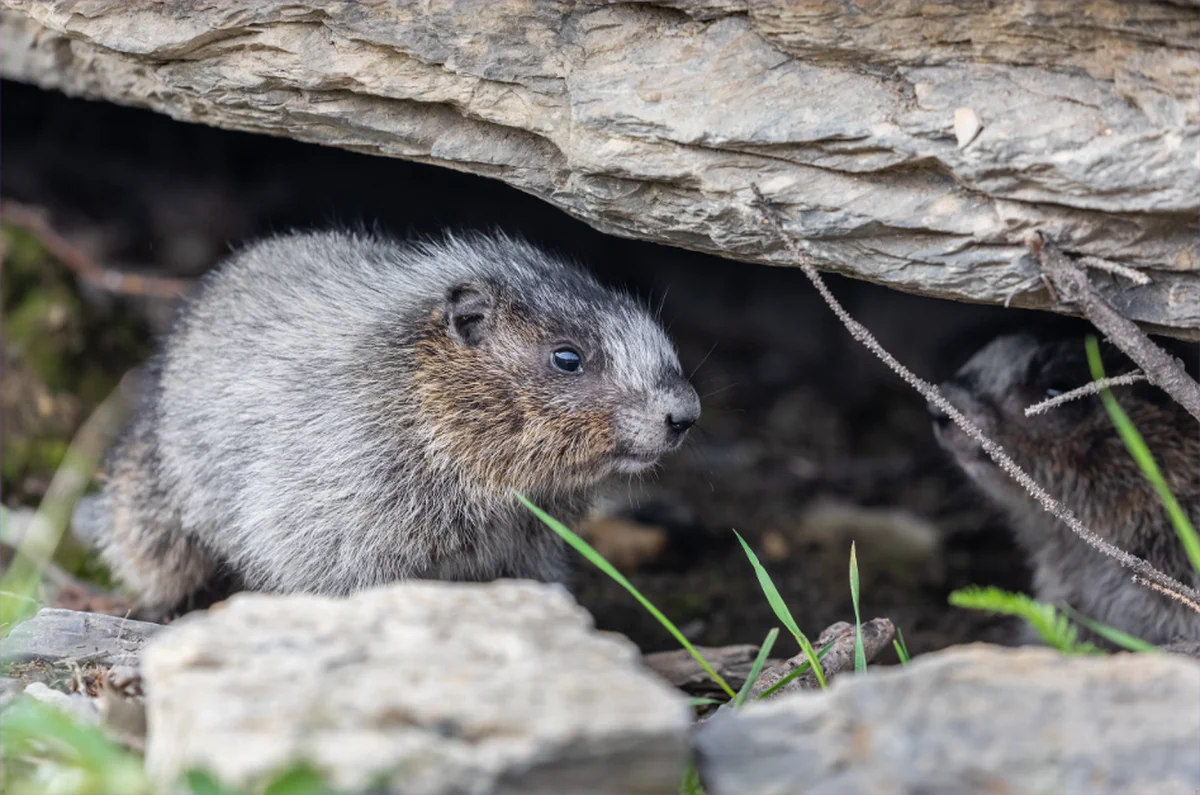
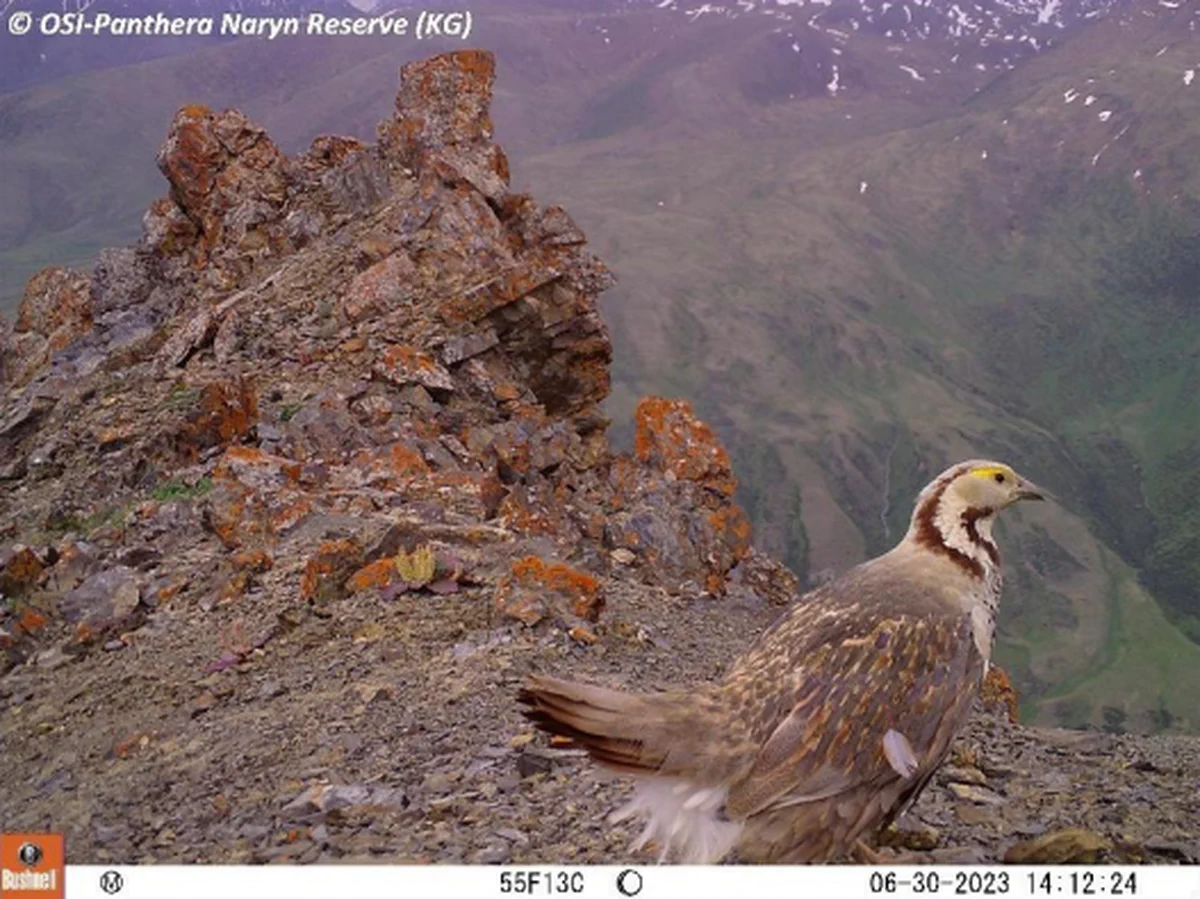
Poaching for skins and body parts, the loss of wild prey to overgrazing and hunting, and killings in defence of livestock are the main drivers of its decline.2 Warming is expected to push the treeline up the Himalaya and shrink the alpine zone it depends on.2
No two snow leopards share a coat pattern. Our snow leopard monitoring work matches those patterns across camera-trap photos, so a survey counts individual cats rather than pictures of them, without ever needing to catch one.
Non-invasive snow leopard monitoring using computer vision analysis of camera trap photos to identify individual animals.
Identifying individual snow leopards by their coat patterns to support conservation across Central Asia.

A modular computer vision framework for individual animal identification using state-of-the-art techniques including metric learning, local feature matching, and spot pattern analysis across multiple species.
Every project here was built hand in hand with conservation partners, and much of the code is open source. If our work fits a challenge you're facing, or you'd like to build something together, we'd love to hear from you.