


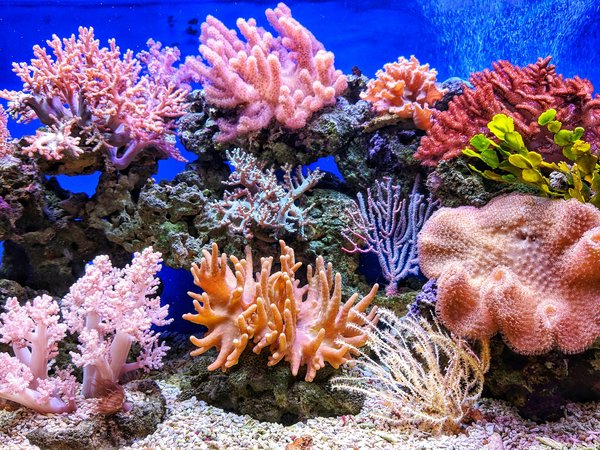
Coral Reefs Health Monitoring
Segmentation of coral reefs in benthic imagery to quantify the long-term growth or decline of coral cover within marine protected areas.
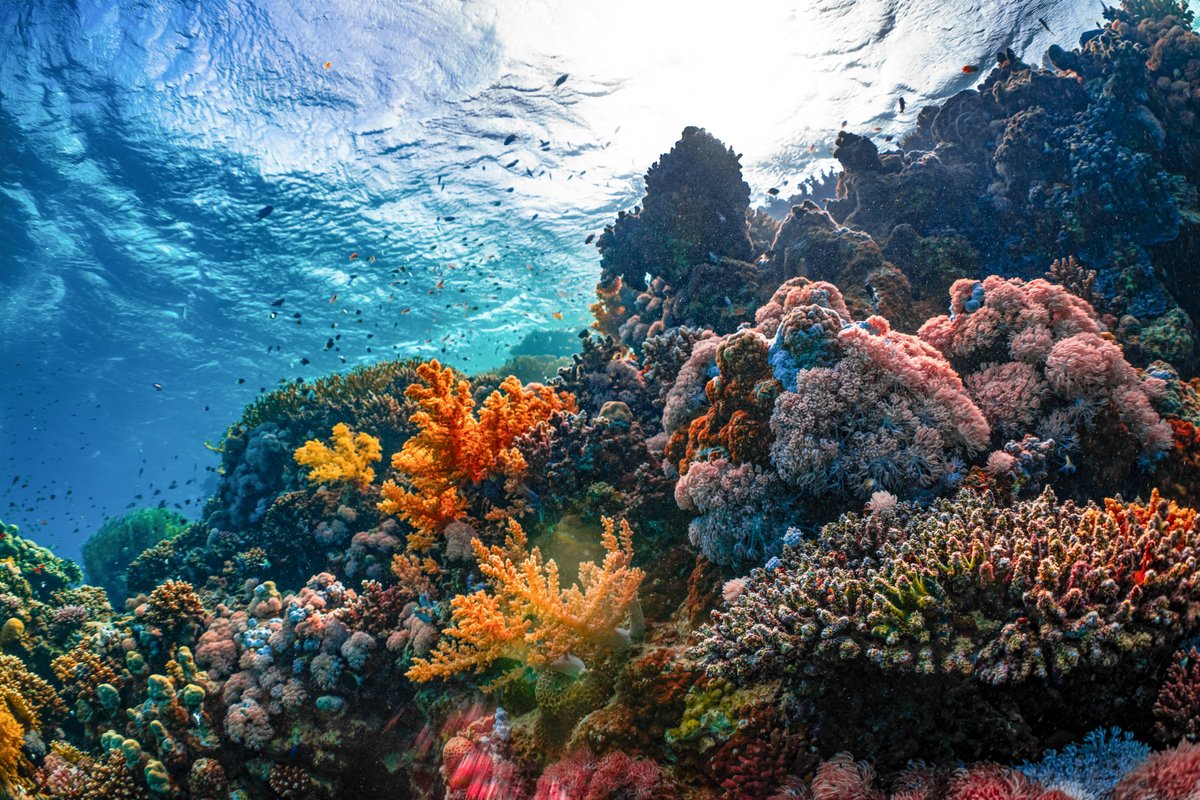
A coral reef is built by colonies of tiny animals, coral polyps, held together by the calcium carbonate they lay down.1 Inside the polyps live microscopic algae, zooxanthellae, that provide the coral with nutrients.1 Together they have built structures that cover less than 0.1% of the ocean yet shelter at least a quarter of all marine species.1
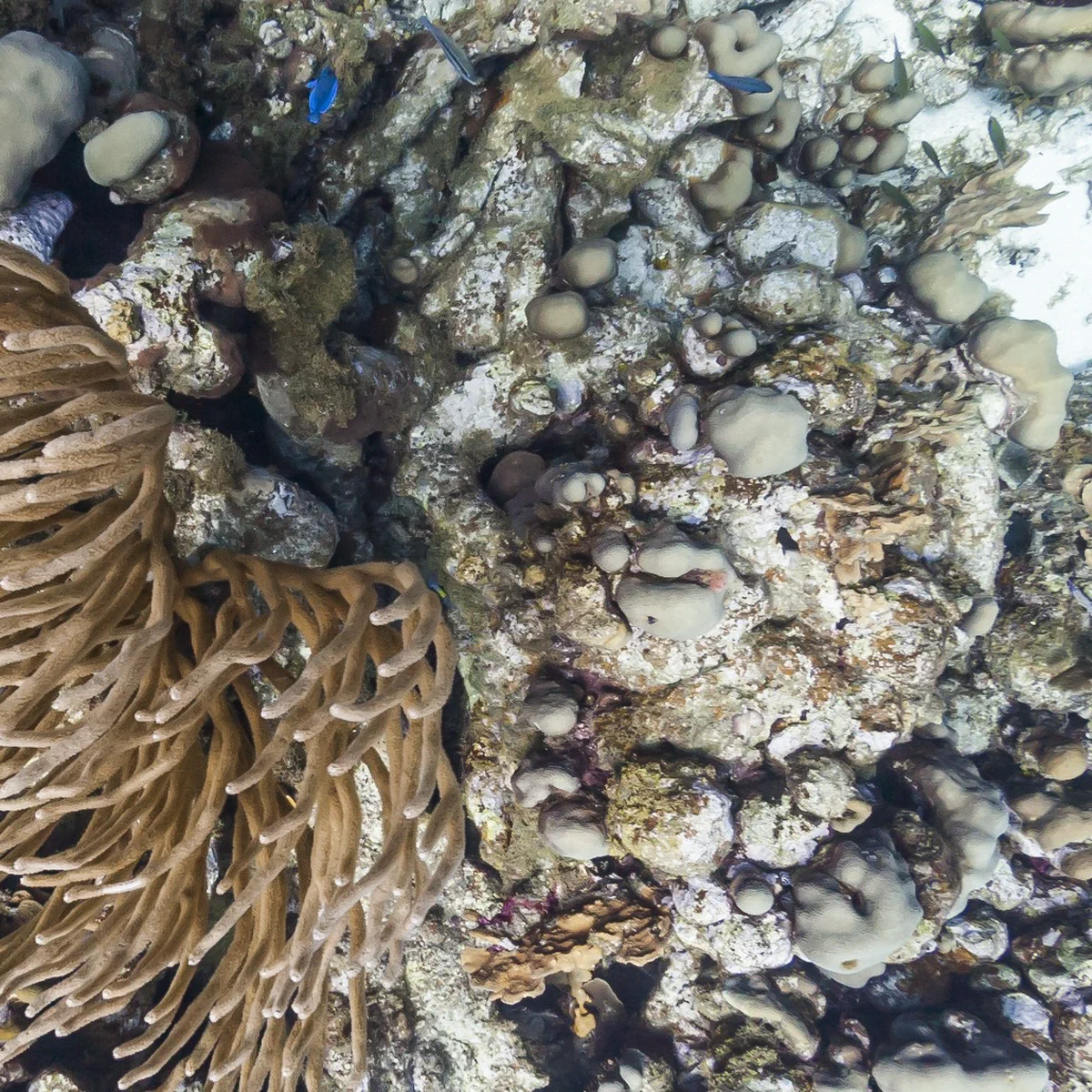
Reefs support fisheries and tourism and protect shorelines, services estimated to be worth billions of dollars a year.1
Rising ocean heat, acidification, overfishing and nutrient pollution are all taking a toll,1 and shallow tropical reefs have declined by half since 1950.1 A coral that loses its algae turns white, or bleaches, and can die unless conditions recover in time.1
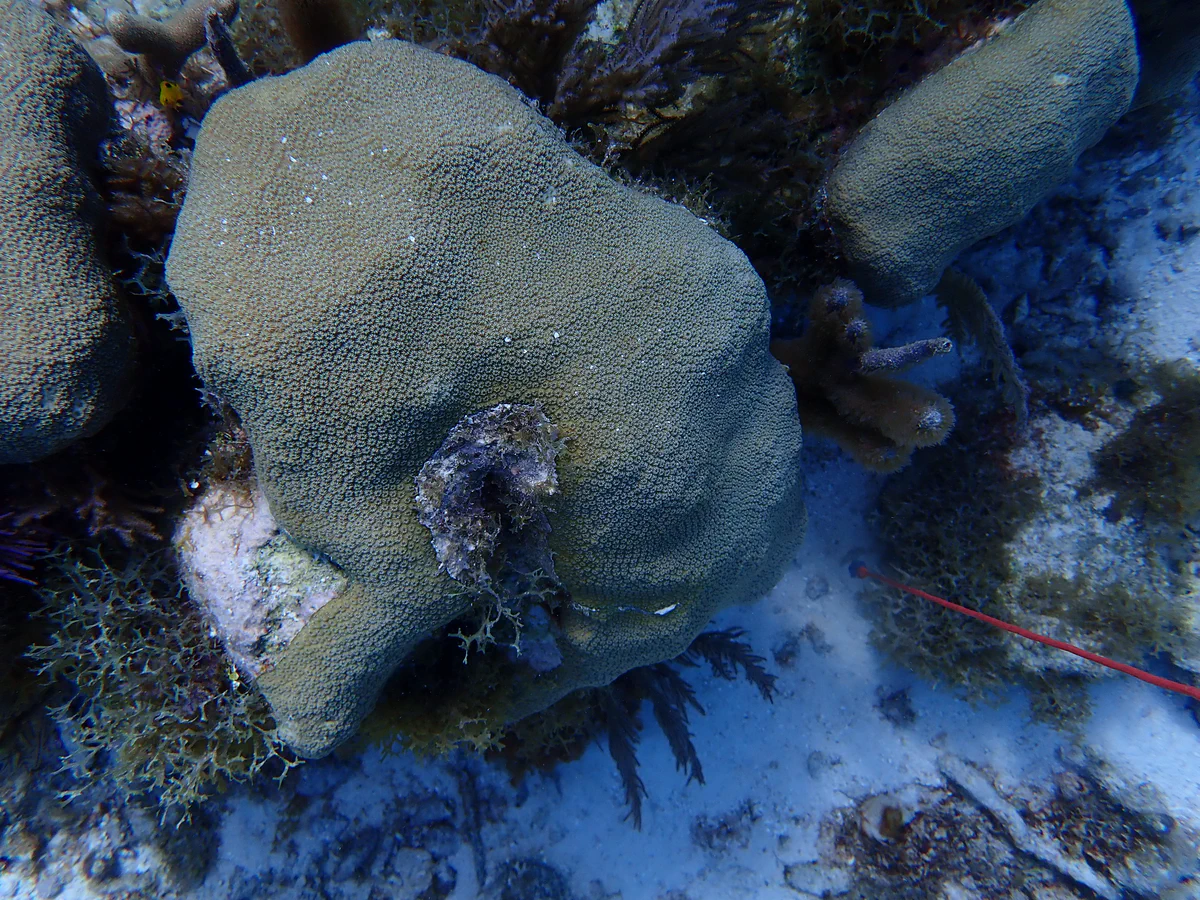
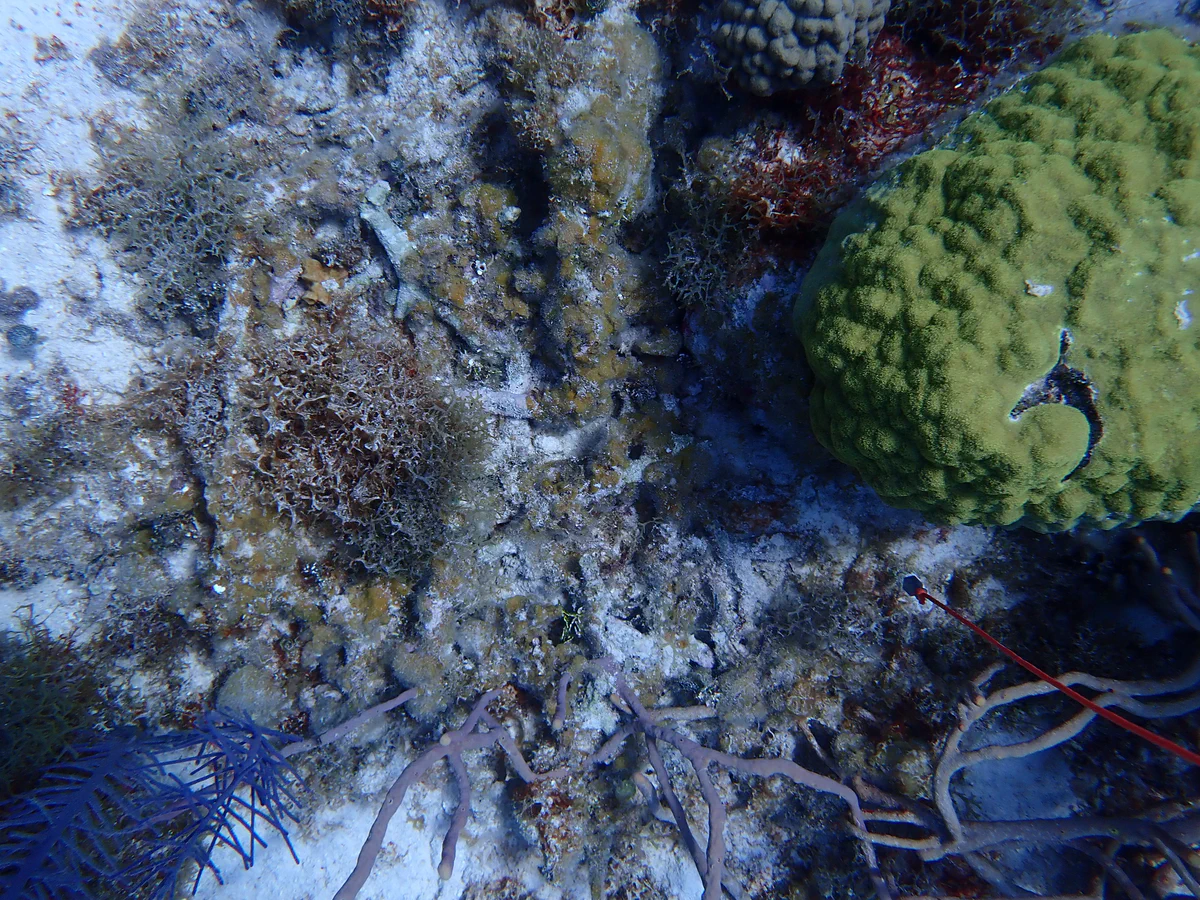
Knowing whether a reef is recovering means measuring coral cover, survey after survey. Our coral reef work segments every coral colony in underwater photos and separates hard from soft coral, turning hours of manual annotation into a repeatable measurement.
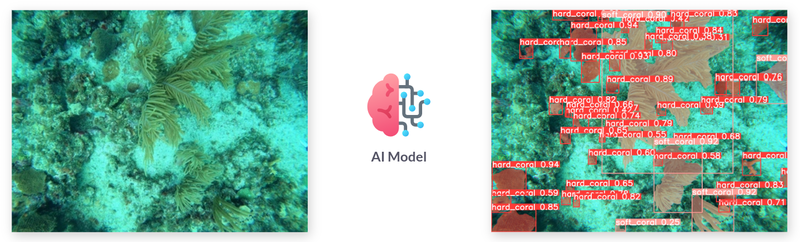
Segmentation of coral reefs in benthic imagery to quantify the long-term growth or decline of coral cover within marine protected areas.
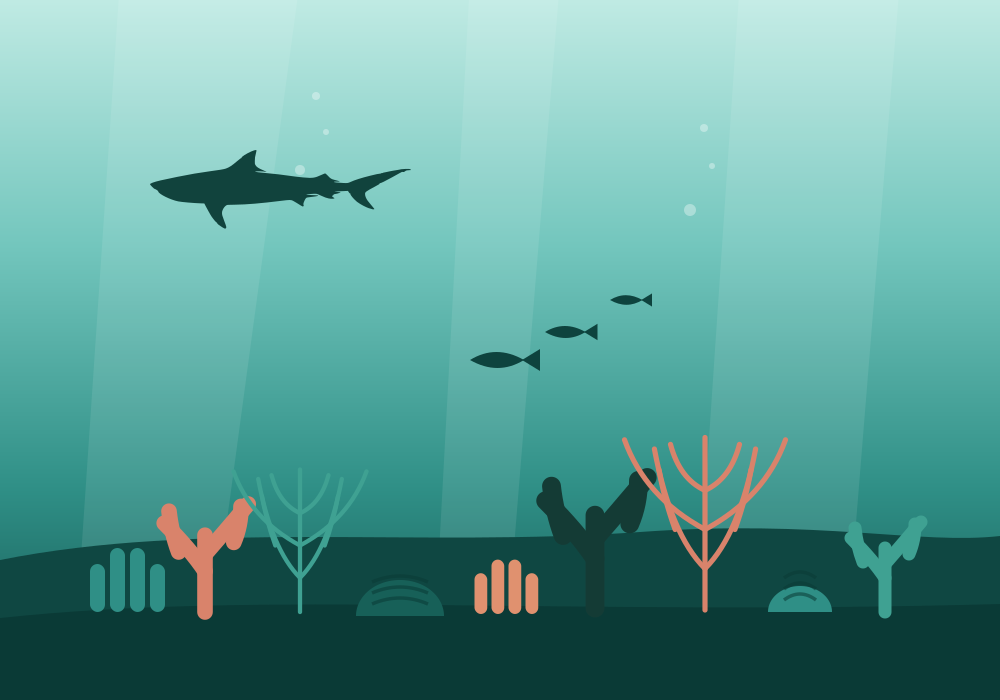
Detecting and identifying coral species in benthic imagery to track reef health over time.
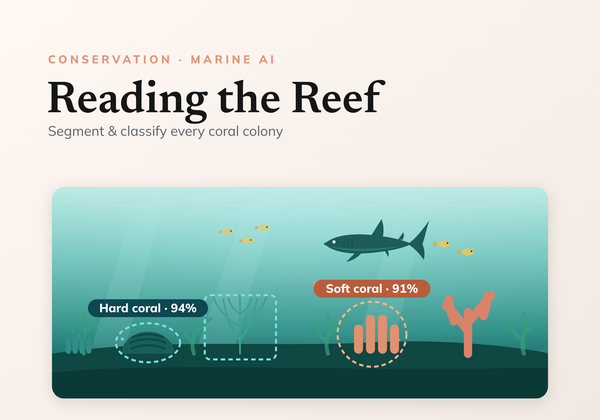
Learn how to successfully train a computer vision model to accurately analyse underwater benthic imagery.
Every project here was built hand in hand with conservation partners, and much of the code is open source. If our work fits a challenge you're facing, or you'd like to build something together, we'd love to hear from you.